
Intelligence
Analyses
333 reports in this category.

Chokepoint Logic: Why Hormuz Remains the World’s Only True Thermostat
Despite the rise of American shale and the green energy transition, the Strait of Hormuz remains the single most critical vulnerability in the global economy. Power here is measured in barrels and leverage, not just navies.
15 May 2026

The Levantine Void: Lebanon’s Final Descent into State Dissolution
Lebanon is no longer a state in crisis; it is a geographic theatre where the concept of the nation has been replaced by a fragmented security patchwork. Here is the structural reality of why the old Lebanon cannot return.
1 May 2026

The Yemen Mirror: Why Gulf Billions Failed to Buy Security
A decade of conflict has revealed a stark gap between military expenditure and strategic influence. As Riyadh pivots to diplomacy, the lessons of the Yemeni quagmire are reshaping the architecture of Middle Eastern power.
15 Apr 2026
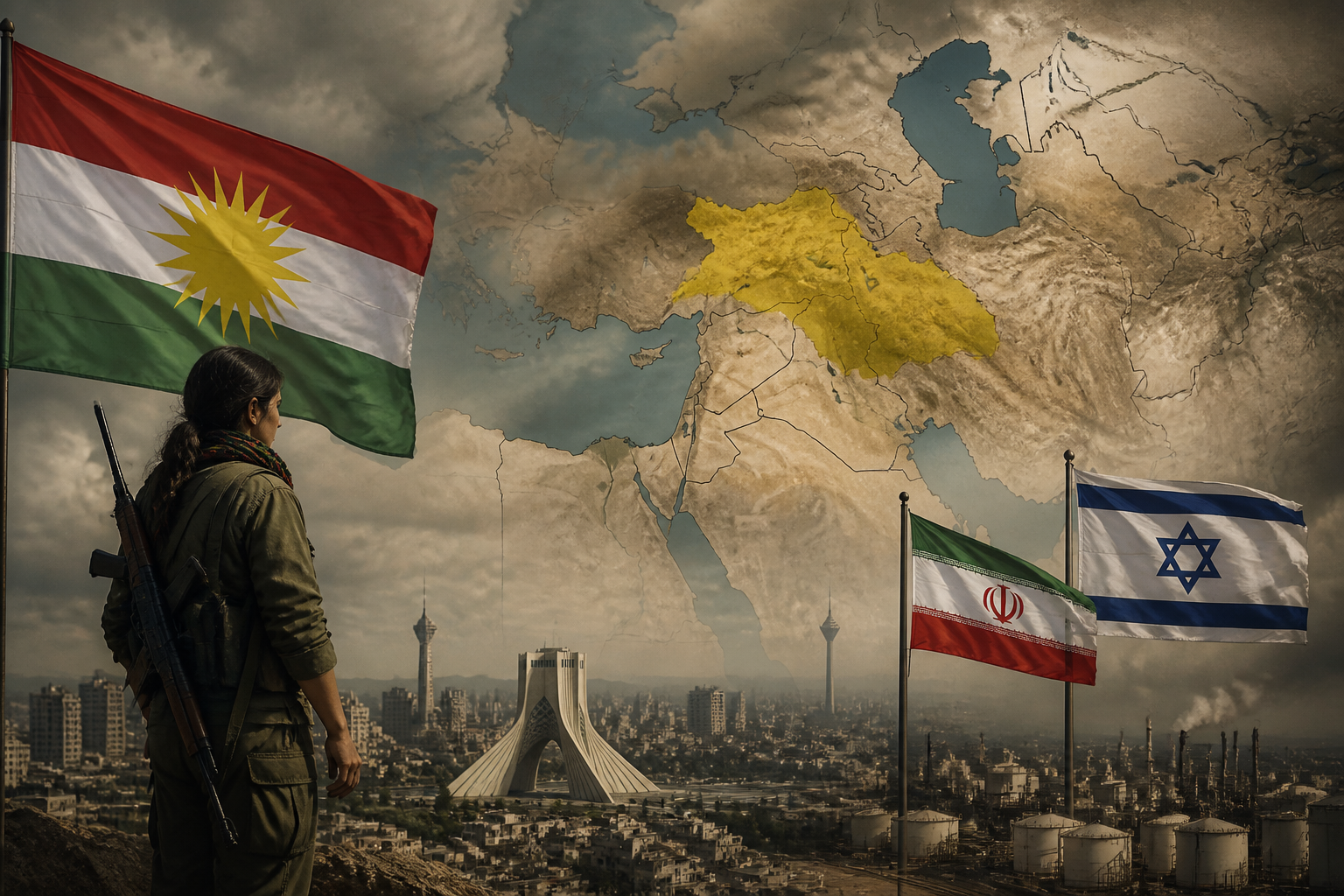
Stateless Sovereignty: Why the Kurdish Dream is Now a Buffer Weapon
As regional powers in the Middle East fragment, the Kurdish 'non-state' has evolved from a historical tragedy into a permanent geopolitical buffer. While formal independence remains a mirage, the Kurds have become the indispensable veto players in the Levant.
1 Apr 2026

The Ghost of Radcliffe: Why 1947 Still Governs 21st-Century Asia
Geographic partitions are not historical events; they are active geopolitical engines. In South Asia, a hasty retirement from Empire created a structural instability that ensures permanent mobilisation and restricts the rise of two nuclear powers.
15 Mar 2026

The Leviathan's Edge: Why America Still Monopolises the Future
While critics forecast a hollowed-out empire, the United States has widened its lead in the global technology race. The reason is not policy, but a unique synthesis of capital risk, institutional elasticity, and geographic isolation.
1 Mar 2026

The Cement Trap: Why China’s Growth Engine Cannot Be Restarted
China’s property-led growth model has reached its terminal point. Beijing is no longer trying to save the real estate sector; it is managing a controlled demolition to prevent a systemic collapse of the social contract.
15 Feb 2026

The Pharaoh’s Gamble: Egypt’s Structural Trap and the New Nile Order
As Cairo’s debt-to-GDP ratio enters a terminal spiral, the Sisi administration faces a structural trilemma. Egypt must now navigate a thirsty domestic population, a belligerent upstream Ethiopia, and a regional credit market that is finally running dry.
1 Feb 2026

Pax Mongolica: The Hard-Power Blueprint for Global Integration
Modern globalisation is often framed as a Western invention. In reality, the 13th-century Mongol Empire established the first template for a borderless economy, proving that global trade requires a single, ruthless security guarantor to function.
15 Jan 2026
Debt, Dominance, and the Weaponisation of the Dollar
The United States faces a mounting fiscal crisis, but the real threat to the dollar's hegemony is not solvency—it is the erosion of the trust required to underpin the world's primary neutral settlement tool.
1 Jan 2026

The Doha Equilibrium: Why Qatar is the Middle East's Indispensable Pivot
Qatar has parlayed massive LNG wealth into a unique role as the world's primary diplomatic switchboard. By hosting everyone from Hamas to the US military, Doha ensures its survival through strategic indispensability rather than hard power.
1 Dec 2025

The Great Fragmentation: Why Globalisation is Not Dying but Splitting
The era of frictionless trade is over. As geopolitics reclaim primacy over economics, the world is fracturing into two distinct, competing spheres. It is a transition from efficiency to resilience that changes the price of everything.
15 Nov 2025

Transactional Neutrality: How Middle Powers Broke the Cold War Logic
The Global South has abandoned the pursuit of ideological blocks. By leveraging competition between Washington and Beijing for critical minerals and digital infrastructure, a new class of 'swing states' is securing unprecedented sovereign leverage.
1 Nov 2025

The Dollar Pact: Why Bretton Woods Never Actually Ended
The 1944 Bretton Woods agreement is often treated as a historical relic. In reality, its core architecture remains the primary engine of American hegemony, weaponising global trade through a system of structural dependency that has no peer.
15 Oct 2025

The Liquid Front: Why South Asian Security Rests on Melting Ice
As domestic pressures and climate shifts accelerate, the Indus and Brahmaputra river basins are no longer mere sources of life, but strategic assets being weaponised in a zero-sum game between nuclear powers.
1 Oct 2025

Mare Clausum: Why the Black Sea is No Longer a Russian Lake
As traditional naval power yields to asymmetric attrition, the Black Sea has become a laboratory for post-modern warfare. Kyiv’s victory in the naval war, achieved without a fleet, is rewriting the rules of global maritime security.
15 Sept 2025

The Fractional Guard: Why the Petrodollar Survives by Shrinking
While headlines predict the dollar’s total demise, the true shift is far more subtle. We are entering a period of strategic fragmentation where the US dollar trades its monopoly for a more durable, albeit smaller, sphere of influence.
1 Sept 2025

The Asymmetric Anchor: Why Beijing and Moscow Cannot Divorce
Western analysts often dismiss the China-Russia axis as a marriage of convenience. This is a mistake. Driven by structural geographic anxiety and energy interdependence, the partnership has evolved into a permanent strategic necessity.
15 Aug 2025