The Death of the Dreadnought Logic
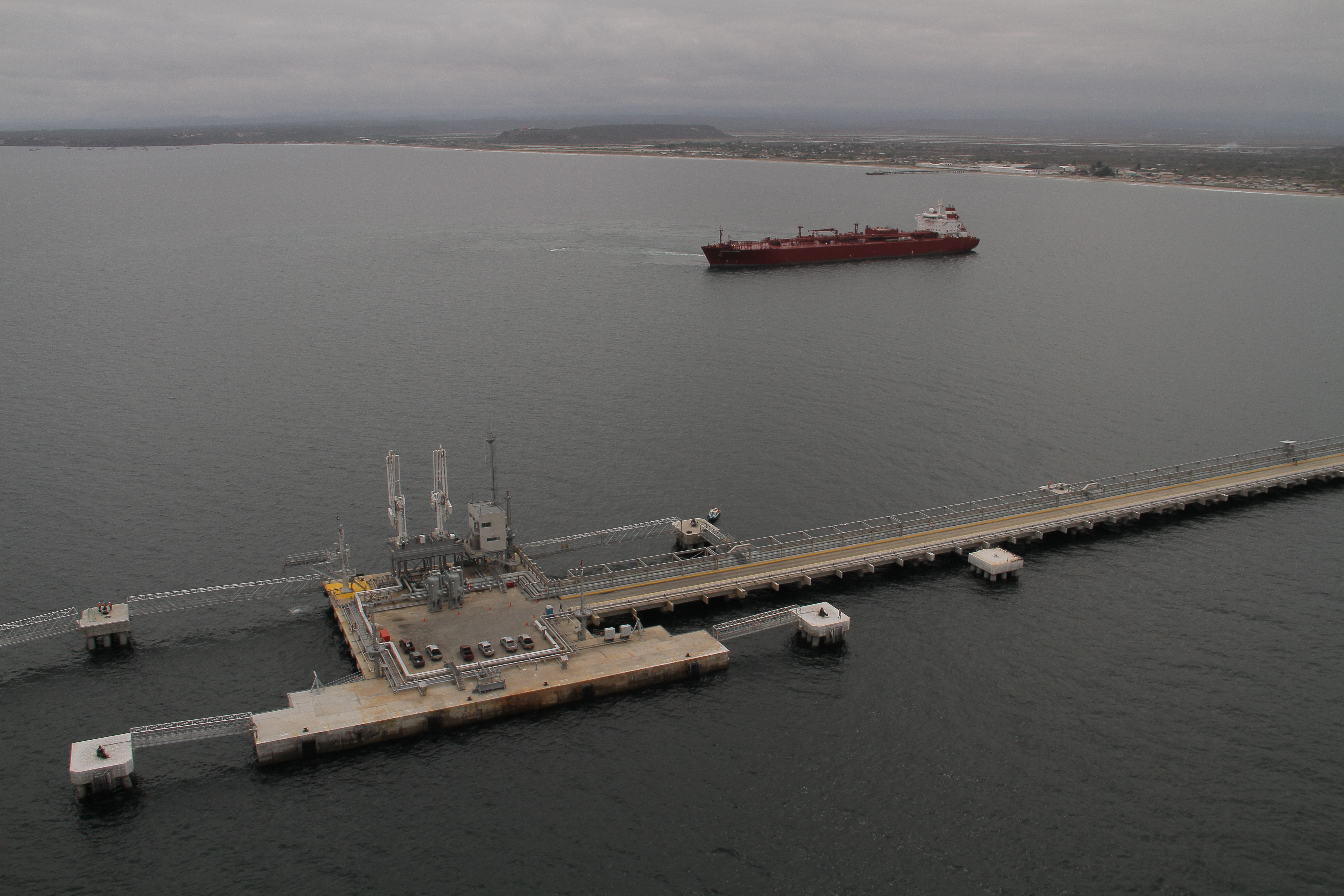
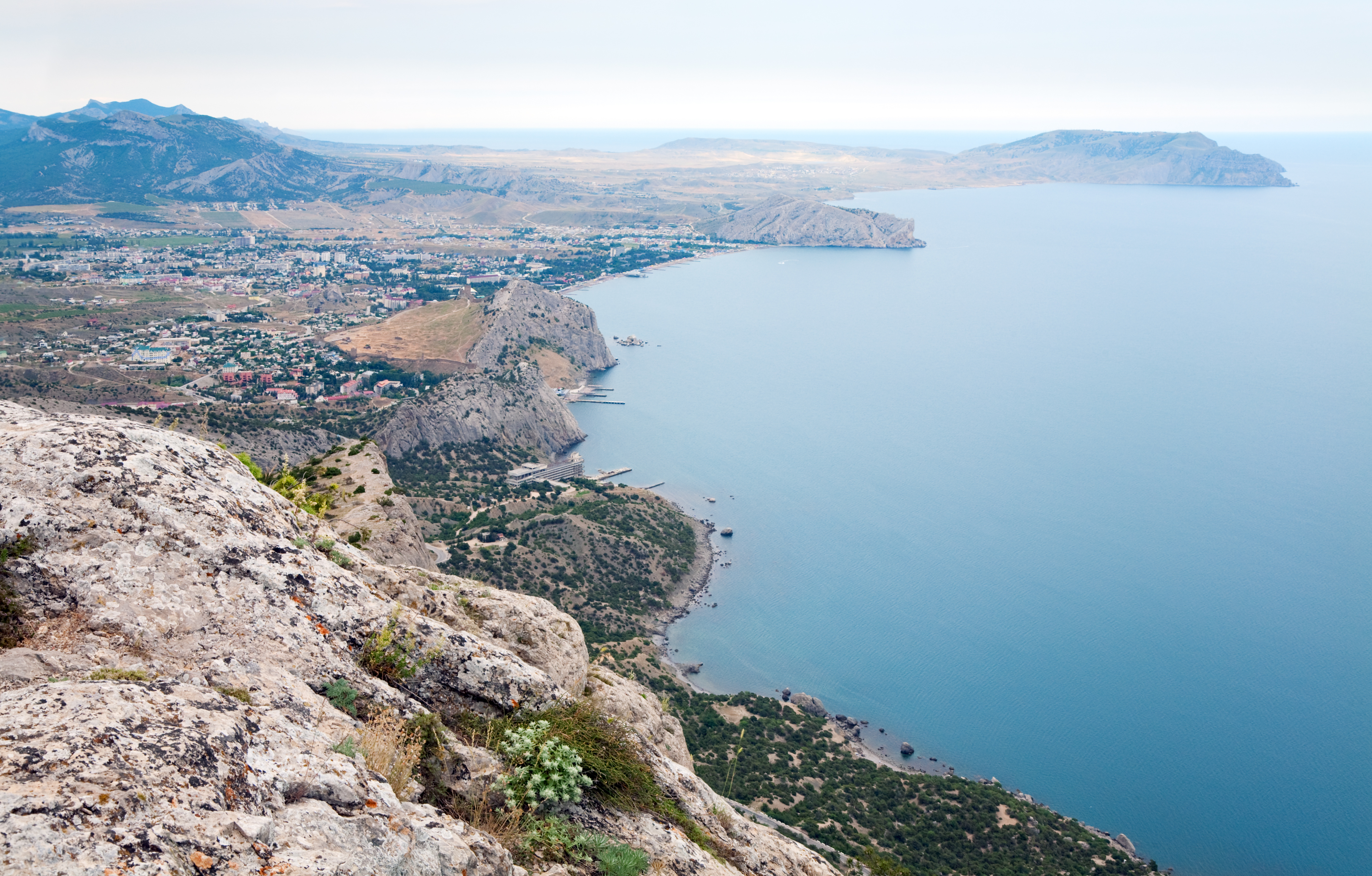
The strategic consensus at the start of the current decade was that the Black Sea was a Russian Lake. With the annexation of Crimea and the modernisation of the Black Sea Fleet, Moscow held a geographical and kinetic monopoly. However, that monopoly has not just been challenged; it has been dismantled. Ukraine has achieved what military theorists previously thought impossible: the neutralisation of a conventional blue-water fleet by a nation with no functional navy.
This is not merely a tactical victory for Kyiv. It is a fundamental shift in the cost-benefit analysis of maritime power. By leveraging autonomous surface vessels (USVs), long-range precision strikes, and Western signals intelligence, Ukraine has forced the Russian surface fleet to retreat from Sevastopol to Novorossiysk. The primary takeaway is structural: land-based denial systems now out-range and out-match traditional hull-based projection in confined waters. The Black Sea is now a laboratory for the future of the Strait of Taiwan and the Persian Gulf.
The Incentive of Infrastructure
To understand the current friction, we must look at the incentives of the primary actors. For Russia, the Black Sea is the only warm-water access point to the Mediterranean and the Global South. It is the artery for its energy exports and its primary tool for power projection in the Middle East and Africa. For Ukraine, the sea is an existential economic corridor. Without the ability to export grain and steel, Ukraine ceases to be a functional state and becomes a permanent ward of Western charity—a status Kyiv is desperate to avoid.
The collapse of the formal Grain Initiative did not lead to a total blockade as many predicted. Instead, it forced the creation of a 'unilateral corridor' hugging the coastlines of NATO members Romania and Bulgaria. This has created a de facto NATO protectorate over commercial shipping without a single NATO sailor firing a shot. The incentive for Turkey, meanwhile, remains the preservation of the Montreux Convention. Ankara views itself as the gatekeeper; it benefits from the weakness of the Russian fleet but fears a permanent American naval presence that would dilute its own regional hegemony.
A Historical Parallel: The Crimean War (1853-1856)
The current situation mirrors the mid-19th century struggle for the 'Eastern Question'. Then, as now, the primary driver was the Western powers' fear of Russian expansionism threatening the global trade equilibrium. The siege of Sevastopol in 1854 was an attempt to break the Russian back in the Black Sea to protect the route to India. Today, the geography remains identical, but the tools are electronic rather than steam-powered. The historical lesson is that Russia treats the Black Sea as its 'soft underbelly'. When it loses control here, the internal political stability of the Kremlin typically begins to fracture. The Black Sea is the barometer of Russian imperial health.
What Most People Miss: The Insurance War
The battle for the Black Sea is being fought in London and Zurich as much as in the waters off Odesa. Most analysts focus on the number of Harpoon missiles or Sea Baby drones. They miss the War of Insurance Risk. Shipping is governed by the cost of hull and machinery insurance. By proving it can strike Russian tankers and warships with impunity, Ukraine is driving up the 'war risk' premiums for Russian exports, effectively imposing a private-sector tax on Moscow’s war chest.
Conversely, the West has underwritten Ukrainian shipping through complex de-risking facilities. This financial engineering is what allows global food prices to remain stable despite the kinetic activity. The real 'front line' is the 12-nautical-mile limit of Romanian waters. As long as ships stay within that sliver of NATO sovereignty, the Russian fleet is impotent. The war has turned the Black Sea into a game of legalistic 'tag' where geography defines safety more than armaments.
Strategic Consequences
- The End of the Large Surface Combatant: The loss of the Moskva and subsequent vessels suggests that in 'closed' seas, large cruisers are merely expensive targets for cheap drones.
- Turkish Calibration: Turkey is pivoting. Having seen Russian weakness, Ankara is more assertive in the Caucasus and Central Asia, sensing that the Russian 'policeman' of the Black Sea is distracted.
- NATO Expansion by Stealth: While Ukraine is not in NATO, the integration of its maritime surveillance with NATO’s Aegis Ashore systems in Romania creates a unified battlespace that Moscow cannot isolate.
What to Watch
- The Danube Ports: Watch for increased Russian strikes on Izmail and Reni. If the deep-sea ports are too well-protected, Russia will attempt to choke the riverine bypasses.
- Novorossiysk Traffic: Monitor the volume of Russian oil exports from its eastern Black Sea hubs. If Ukraine begins targeting civilian tankers, the global energy shock will be immediate.
- The Bosphorus Stance: Any move by Turkey to allow 'mine-clearing' NATO vessels could be the precursor to a more permanent Western naval footprint.
The KJ Verdict
The Black Sea has transitioned from an undisputed Russian bastion to a contested grey zone. Moscow has lost the naval war because it failed to account for the democratization of precision strike technology. For the next decade, the region will be defined by 'strategic friction'—a state where trade continues under the constant shadow of asymmetric attrition. Ukraine has won the right to trade, but it has not yet won the peace. The second-order effect is a permanent shift in NATO’s centre of gravity towards the Southeast, where Romania and Bulgaria replace the North Sea as the alliance's most critical maritime frontier. Russia is boxed in, not by a fleet, but by a legal and technological net it cannot cut.