The Invisible Foundation
The common narrative suggests the Bretton Woods system collapsed in 1971 when Richard Nixon severed the dollar’s link to gold. This is a fundamental misunderstanding of power. While the technical mechanisms changed, the structural goal remained: to ensure that the global economy functions as a subsidiary of the American financial system. Today, Bretton Woods is not a defunct treaty; it is the operating system of the planet.
To understand why the world looks the way it does, one must look past the headlines of trade wars and military skirmishes. Power in the 21st century is defined by who provides the world’s plumbing. By positioning the dollar as the mandatory medium for energy, debt, and reserves, the United States achieved something no empire in history managed—the ability to tax global growth without the overhead of direct colonial administration.
The Incentive of Dependency
In 1944, delegates from 44 nations met in New Hampshire with a singular problem: how to rebuild a world shattered by war without returning to the protectionism of the 1930s. The American solution was brilliant in its simplicity. Washington would provide the security for global sea lanes and an open market for exports. In exchange, the world would use the dollar. This created a self-reinforcing loop of dependency.
The incentive for other nations was clear. Exporting to America was the fastest route to prosperity. However, the second-order effect was more profound. To trade, nations needed dollars. To protect their currencies, they needed dollar reserves. To earn those dollars, they had to produce goods for American consumers. This effectively turned the global workforce into a deflationary engine for the American middle class, while recycling global capital back into US Treasury bonds to fund American deficits.
The Roman Parallel
History offers a striking parallel in the Roman Denarius. During the Pax Romana, Rome did not merely conquer through the legion; it conquered through integration. It built the roads and the coinage that made trade possible within the Mediterranean basin. Surrounding kingdoms became so reliant on the Roman market and the stability of its currency that rebellion became a form of economic suicide. The cost of leaving the system was higher than the cost of submitting to it.
Similarly, the modern world is 'locked in'. When a nation attempts to bypass the dollar—as we see with contemporary 'de-dollarization' efforts—they find that they are not just fighting a currency, but an entire ecosystem of insurance, shipping, legal frameworks, and banking software. Moving away from Bretton Woods is not a policy choice; it is a total infrastructure rebuild that most nations cannot afford.
What Most People Miss: The Security Subsidy
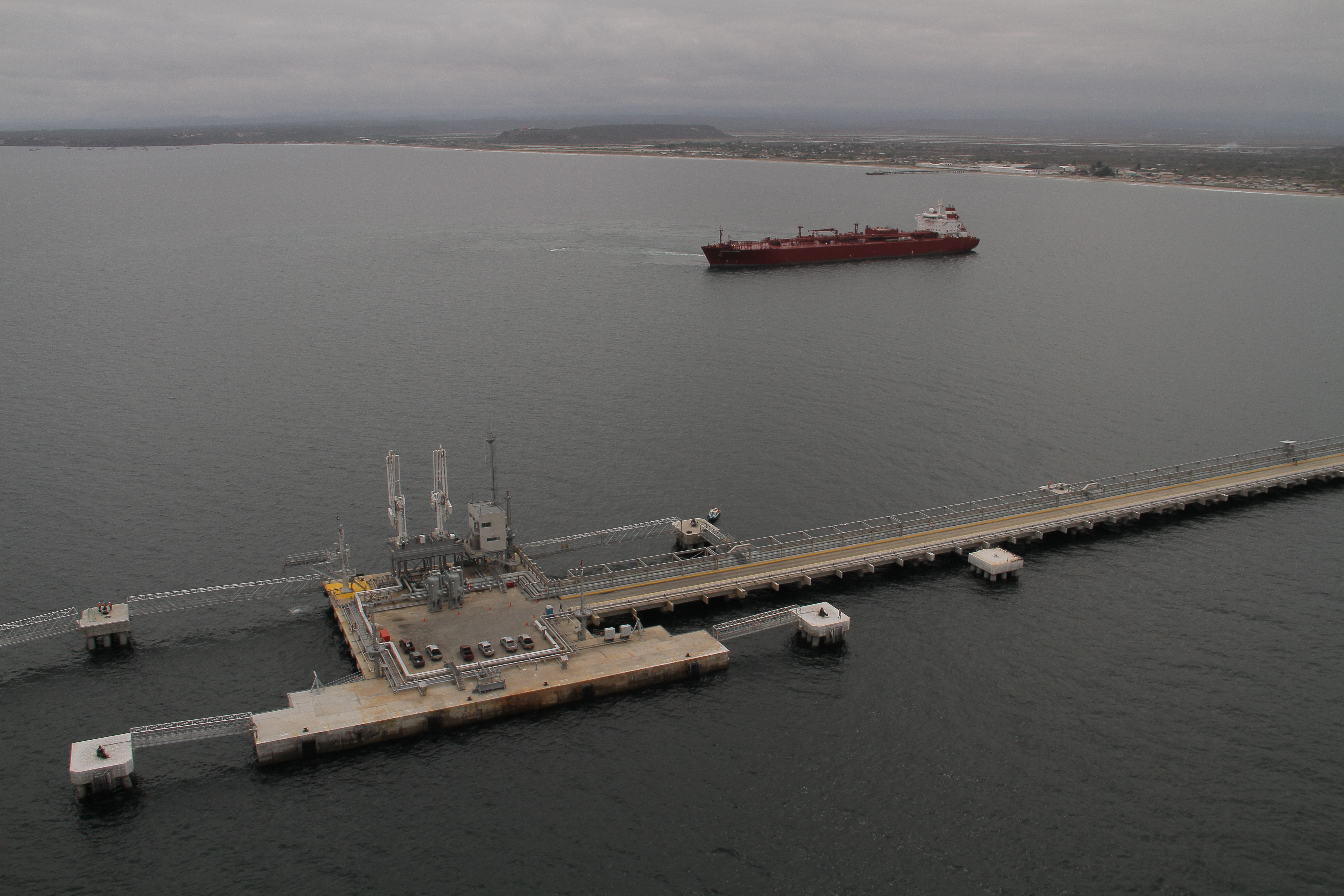
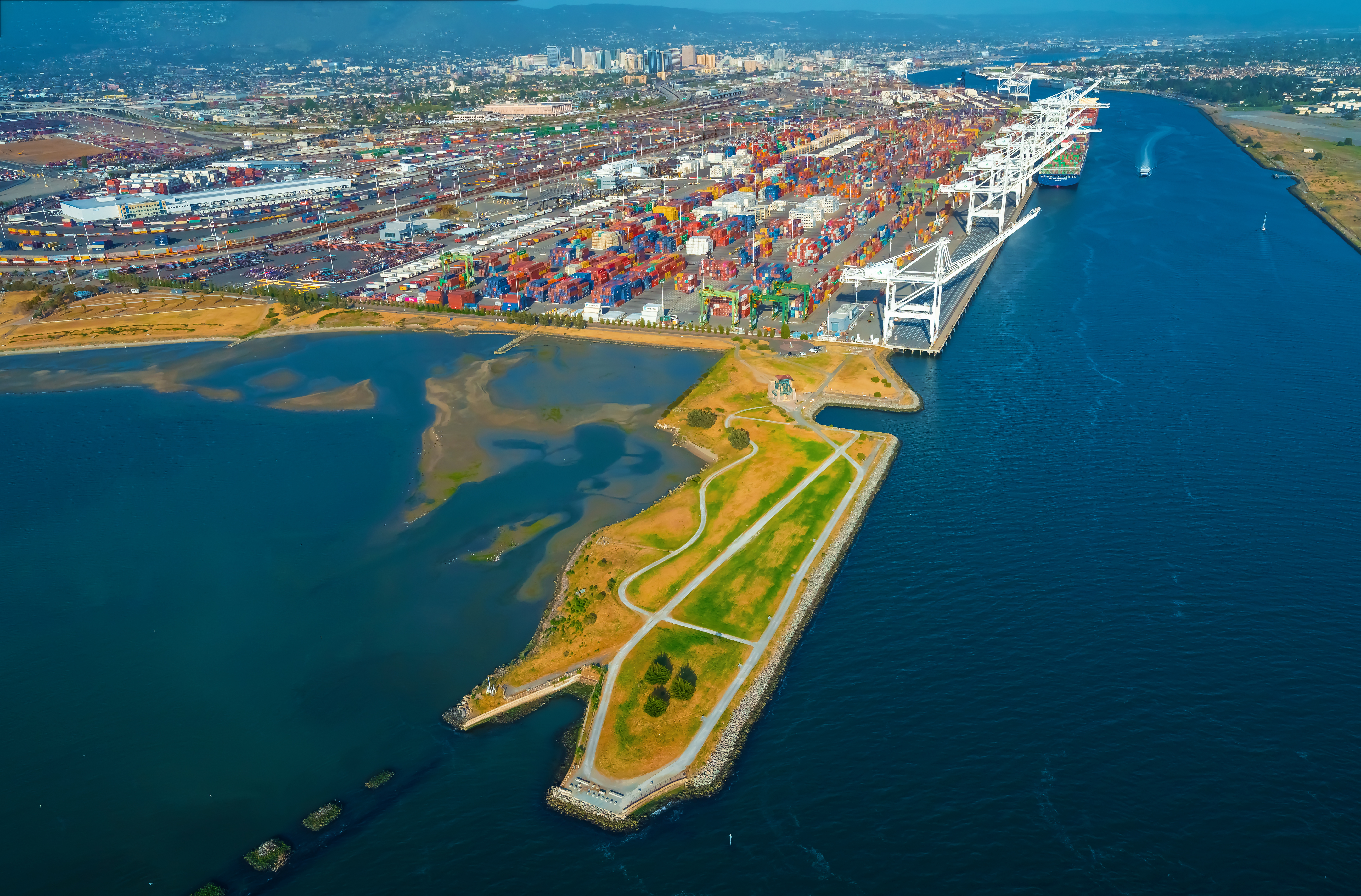
Analysis of Bretton Woods often focuses exclusively on finance, but the system is actually a security pact disguised as an economic one. The US Navy is the guarantor of the system. By securing the maritime 'choke points' of global trade, from the Strait of Malacca to the Suez Canal, the US ensures that trade is only possible under its umbrella.
The hidden reality is that the dollar’s value is backed not by gold, but by the fact that it is the only currency that guarantees access to globalised trade. If a nation is cut off from the dollar—as Russia was via SWIFT—it is effectively cut off from the sea and the modern world. This is the ultimate deterrent. The 'exorbitant privilege' of the dollar is actually a fee the rest of the world pays for the maintenance of safe oceans and open markets.
Strategic Consequences
As we move deeper into the mid-2020s, this architecture is under its greatest stress since the 1970s. However, the result is unlikely to be a clean break. Instead, we are seeing the emergence of 'fragmented dependency'. China and its partners are attempting to build a parallel system, but they face a fundamental paradox: they cannot decouple from the dollar without destroying the value of their own reserves and the demand for their exports.
- Weaponisation of Finance: The more the US uses the dollar as a tool of foreign policy (sanctions), the higher the incentive for others to find alternatives.
- Capital Flight: During times of global instability, capital does not flee the US; it flees to the US. This 'safe haven' status is a direct result of the Bretton Woods structure.
- Inflation Export: When the US prints money, it exports the resulting inflation to every country that holds dollar reserves, effectively forcing the world to subsidise American domestic policy.
What to Watch
- The 'Petroyuan' and Energy Pricing: Watch for any significant shift in how Saudi Arabia prices its crude. Even a 10% shift away from the dollar would signal a tectonic crack in the foundation.
- CBDC Interoperability: Central Bank Digital Currencies are the first real technological threat to the dollar's dominance, as they could allow for peer-to-peer national settlement without touching US banks.
- US Treasury Liquidity: If foreign buyers (specifically Japan and China) continue to reduce their holdings of US debt, the cost of maintaining the Bretton Woods system will rise, forcing Washington to make harder choices between domestic spending and overseas influence.
The KJ Verdict
The talk of a 'post-dollar world' is premature because it ignores the physical and legal architecture that Bretton Woods established. You cannot replace a global system with a regional one and expect the same results. While the American share of global GDP has shrunk, its control over the flow of global value remains absolute. The architecture is not breaking; it is being stress-tested. Power today is not measured by what you own, but by what you allow others to do. Under the ghost of Bretton Woods, Washington still holds the keys to the gate.