
Intelligence
History
110 reports in this category.

The Ghost of Radcliffe: Why 1947 Still Governs 21st-Century Asia
Geographic partitions are not historical events; they are active geopolitical engines. In South Asia, a hasty retirement from Empire created a structural instability that ensures permanent mobilisation and restricts the rise of two nuclear powers.
15 Mar 2026

Pax Mongolica: The Hard-Power Blueprint for Global Integration
Modern globalisation is often framed as a Western invention. In reality, the 13th-century Mongol Empire established the first template for a borderless economy, proving that global trade requires a single, ruthless security guarantor to function.
15 Jan 2026
The Dollar Pact: Why Bretton Woods Never Actually Ended
The 1944 Bretton Woods agreement is often treated as a historical relic. In reality, its core architecture remains the primary engine of American hegemony, weaponising global trade through a system of structural dependency that has no peer.
15 Oct 2025

The New Feudalism: Why the Westphalian Order is Withering
The nation-state is not dying, but it is losing its monopoly on power. As digital territories and corporate spheres of influence supersede physical borders, we are witnessing the gradual return of pre-Westphalian overlapping jurisdictions.
15 Jun 2025

The Invisible Rot: Why Great Powers Implode From Within
Conventional wisdom blames external rivals for the fall of empires. History suggests otherwise. True decline is a domestic process of institutional sclerosis, currency debasement, and the fatal decoupling of elites from national interests.
15 Feb 2025

The Suez Moment: When London Realised Might Was Not Money
In 1956, Britain’s imperial facade collapsed not through military defeat, but through a financial ambush. This structural analysis examines why the Suez Crisis remains the ultimate lesson in the fragility of debt-backed power.
15 Oct 2024

Paper Kingdoms: How 1971 Rewrote the Human Social Contract
Modern geopolitics began not with a war, but with a press conference. By severing the link between gold and money, the US replaced physical scarcity with political will, fundamentally altering how power is projected and maintained.
15 Jun 2024

The Ghost of Containment: Why the Cold War Playbook Never Left
Modern strategy is not a departure from the twentieth century; it is its refinement. From chips to chokepoints, the logic of the Cold War remains the primary driver of great power competition today.
15 Feb 2024

The False Map: How Sykes–Picot Built a Century of Fragility
Western powers did not just draw borders in 1916; they engineered a structural dependency on authoritarianism. To understand today’s regional instability, look not at ancient hatreds, but at the logic of broken geography.
15 Oct 2023
The Overstretch Trap: How Imperial Decay Becomes Inevitable
Great powers rarely succumb to sudden invasion. Instead, they crumble from the inside out as the mounting cost of maintaining global dominance gradually outpaces the productive capacity of the domestic economy. History reveals a repeatable pattern of fiscal exhaustion.
15 Jun 2023
How Islam Spread to Russia
29 Apr 2021

50 pictures of the late Ottoman era that will blow your mind
25 Jun 2019
The Mongols in the Middle East
9 Apr 2019
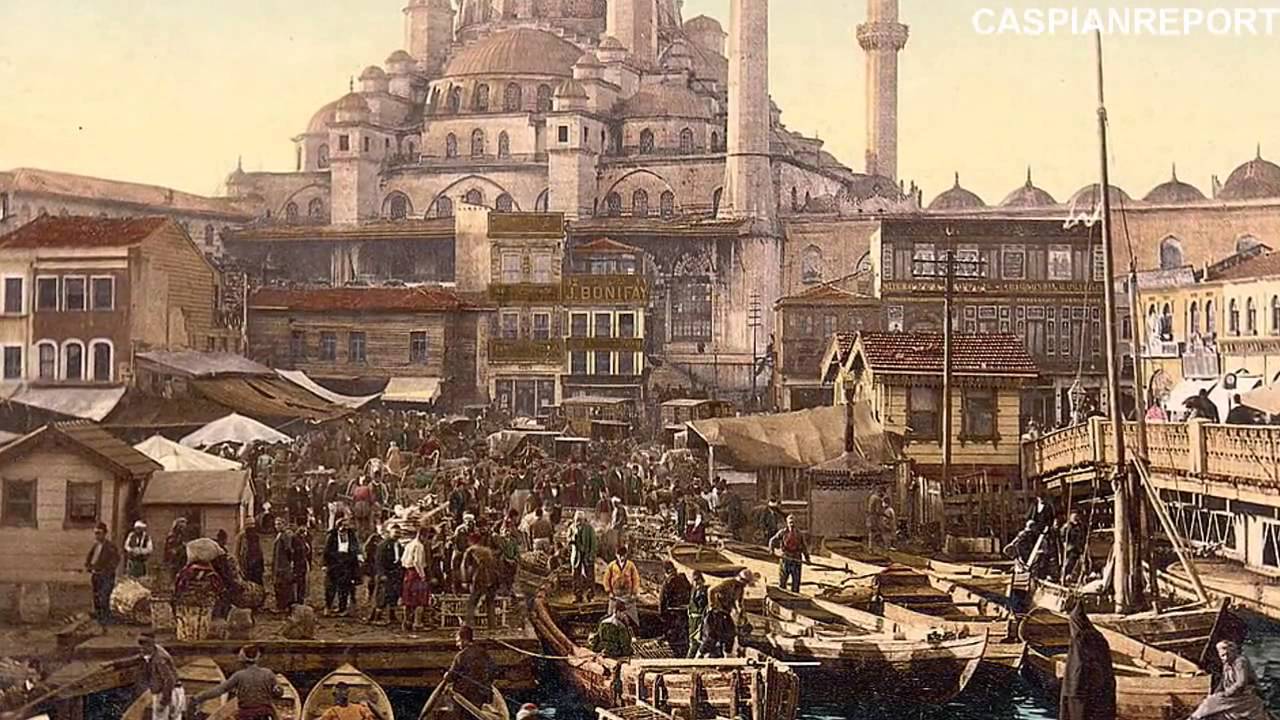
When Europe replaced the Muslims – Rise of Muslims Episode 8
7 Feb 2019
Modern Nations – Rise of Muslims Episode 7
23 Jan 2019
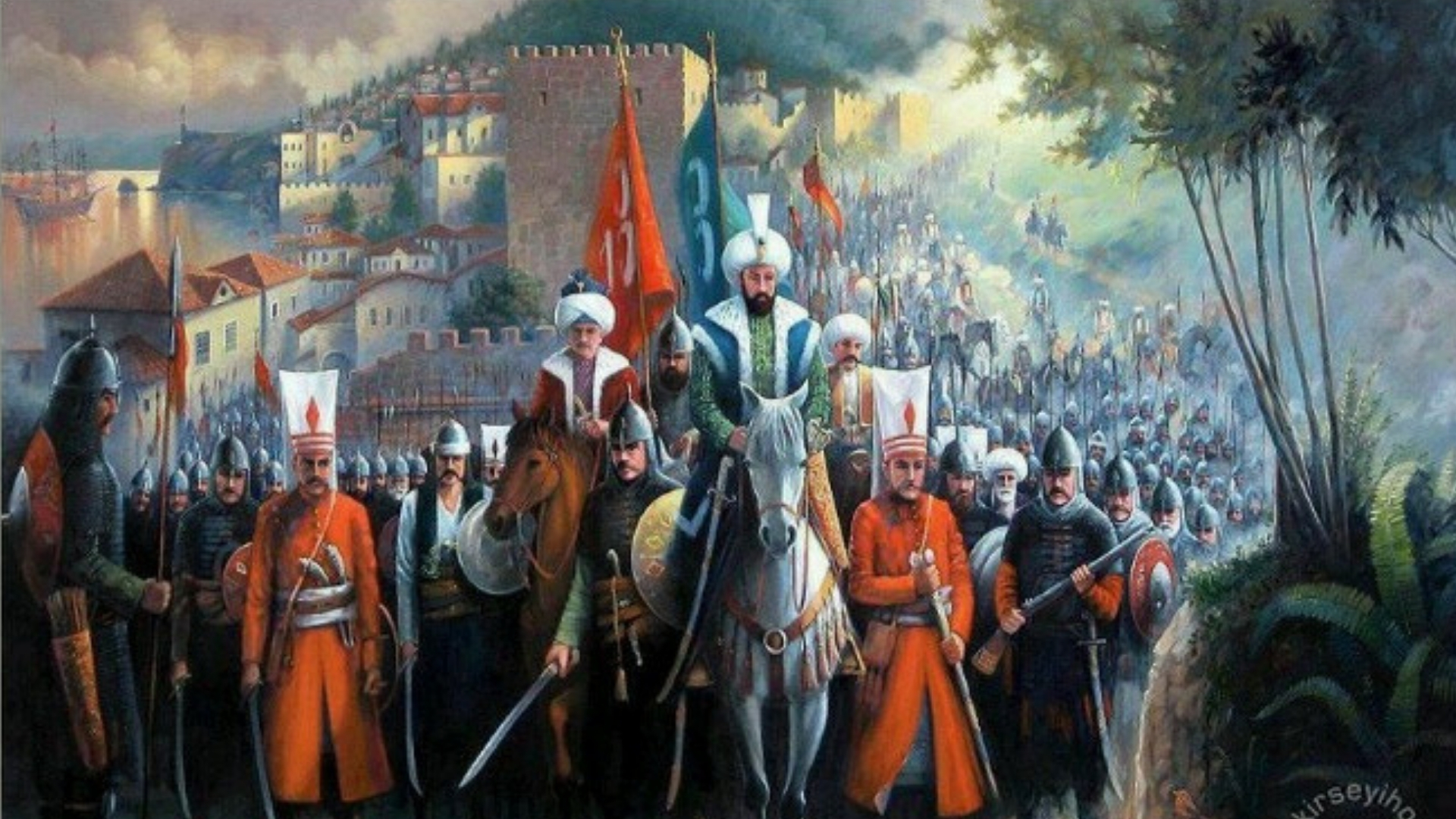
The Ottoman Dynasty – Rise of Muslims Episode 6
23 Jan 2019
The Mughal Empire – Rise of Muslims Episode 5
24 Dec 2018
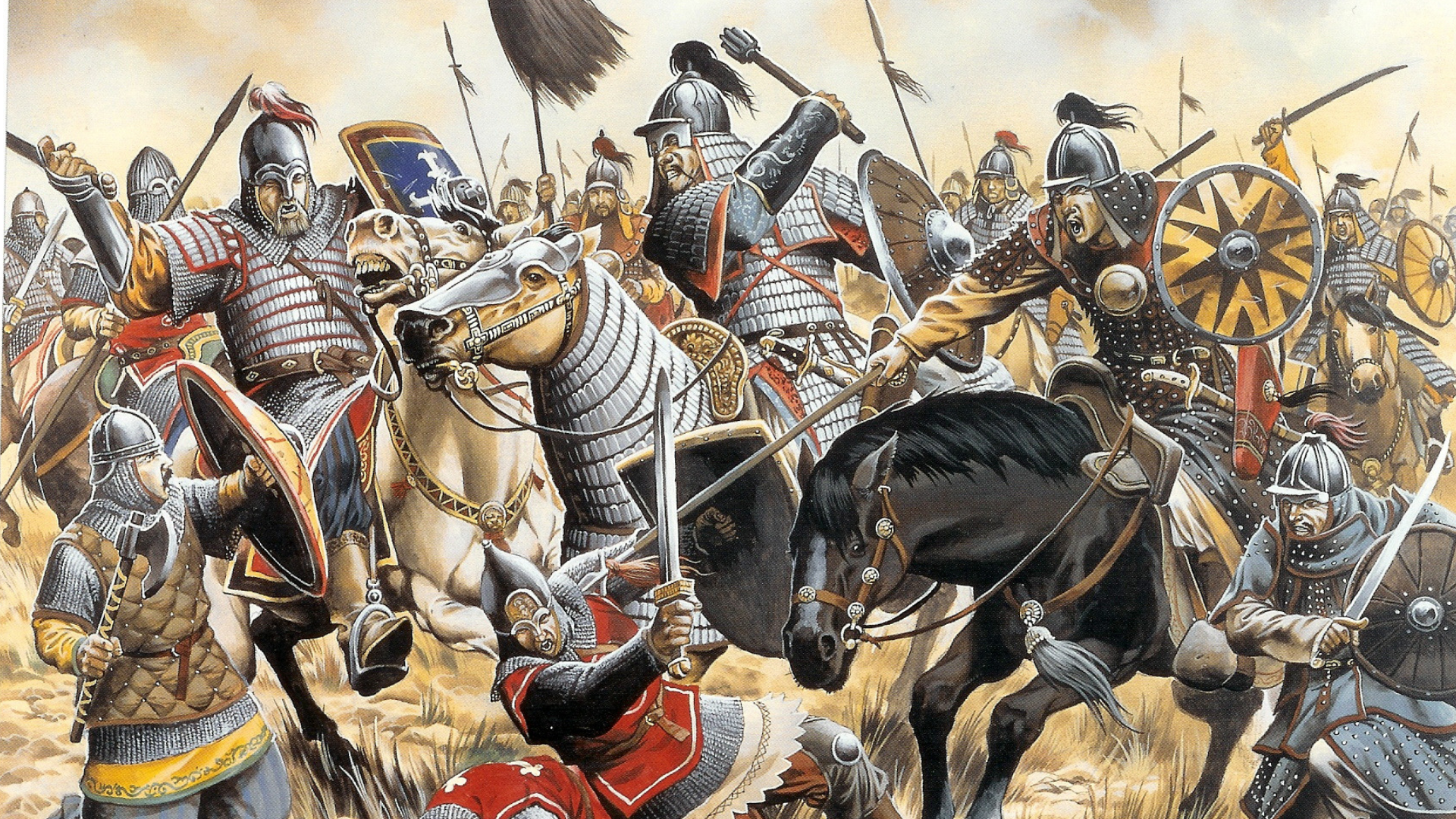
Did Islam destroy the Mongols? – Rise of Muslims Episode 4
24 Dec 2018