The Illusion of Peace
The current pause in active hostilities between the United States and Iran is not a peace treaty; it is a management strategy. According to current reporting, Iranian Foreign Minister Araghchi has emphasised that the ceasefire is intended to be comprehensive, covering all fronts including maritime and regional theatres. However, former US Ambassador Henry Ensher notes that this is merely the start of a volatile process rather than a final settlement. Despite a reported 24-hour ceasefire between Iran and Israel and a broader two-month lull in US-Iran strikes, the underlying drivers of conflict remain untouched. Both sides have found that while they cannot afford a full-scale war, they also cannot afford the political cost of a final resolution.
The Current Situation
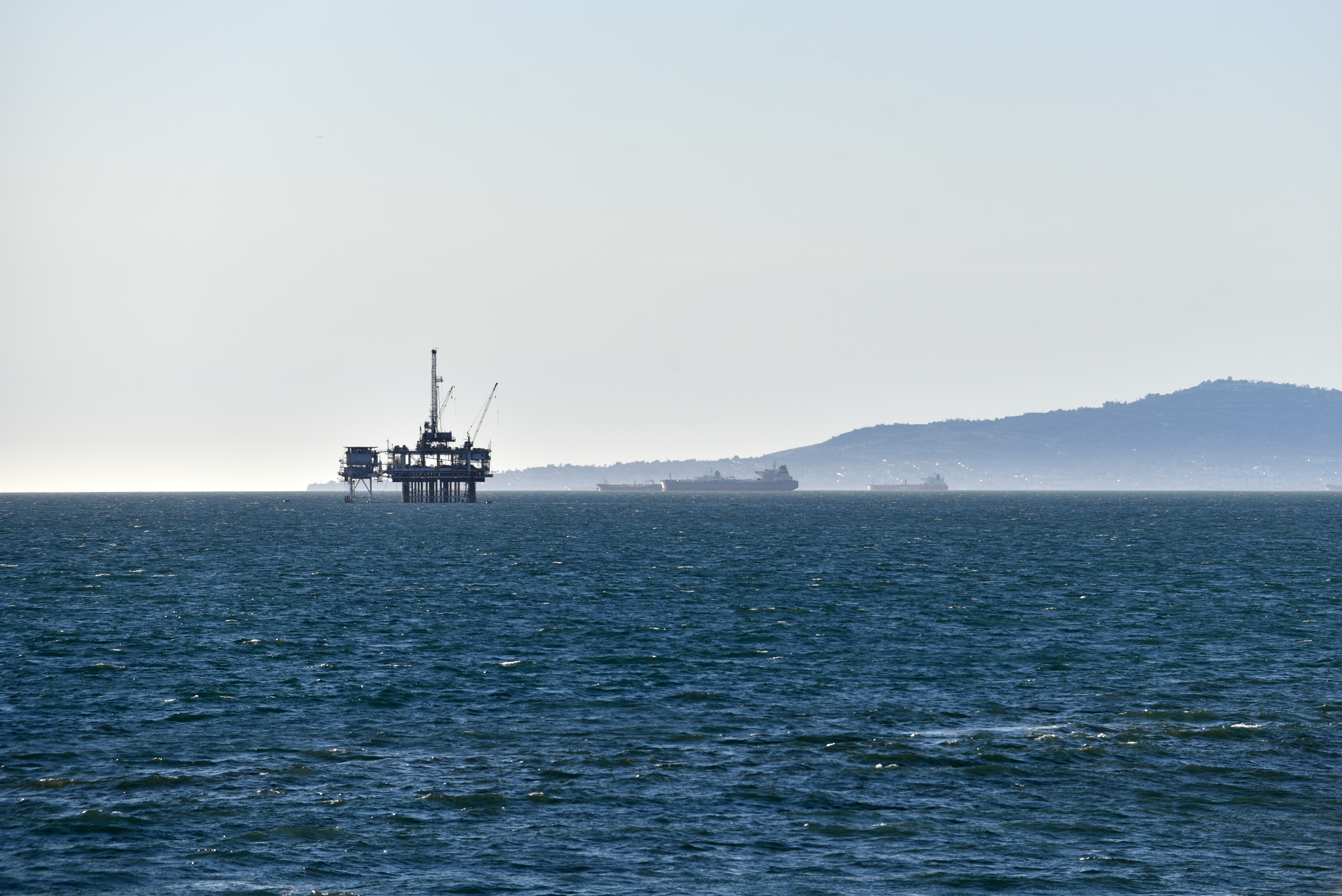
As of June 2026, the geopolitical map of the Middle East is defined by a tense, mutual hesitation. According to current reporting, analysts observe that the standoff impacts global oil markets and commercial shipping, with the Strait of Hormuz remaining the primary pressure point. Iranian officials continue to threaten escalation in the Strait, while Washington attempts to neutralise the waterway as a source of Iranian leverage. Reports suggest that even as the Trump administration signals that a deal may be near, the reality on the ground—tracked by monitoring groups like the International Crisis Group—shows that flashpoints between Washington, Tehran, and Jerusalem remain highly reactive. The truce is currently held together by a mutual recognition of exhaustion, rather than a shared vision for the future.
The Incentive of Paralysis
To understand why this truce remains 'fragile,' we must look at the internal incentives of the regimes involved. For Tehran, a permanent settlement with 'the Great Satan' carries existential risk. The Islamic Republic’s revolutionary identity is built on opposition to Western hegemony. A full diplomatic normalisation would strip the clerical establishment of its primary domestic justification for economic hardship and social control. Conversely, a state of 'no war, no peace' allows Iran to maintain its 'Forward Defence' doctrine—using regional proxies to keep the conflict away from its own borders while keeping its nuclear programme as a latent deterrent.
For Washington, the incentive is avoidance. The US political landscape is currently dominated by a desire to pivot away from the Middle East to focus on the Indo-Pacific and domestic economic renewal. A final settlement with Iran, however, would require significant concessions on sanctions and a formal recognition of Iran’s regional role—actions that would be politically suicidal in a polarised Washington and would alienate key regional allies like Israel and Saudi Arabia. Thus, the US prefers a 'freeze' that prevents an election-year oil spike or a military entanglement without the political fallout of a grand bargain.
Historical Parallel: The 1970s 'Cold Peace'
This dynamic mirrors the period of detente between the United States and the Soviet Union in the mid-1970s. Both superpowers signed agreements like SALT I to limit the risk of nuclear catastrophe, yet neither side abandoned their global competition or ideological hostility. The 'peace' was actually a framework for managing a rivalry that neither could win. Like the 1970s, the current US-Iran truce is an acknowledgment that the cost of total victory is too high, leading to a period of 'regulated friction' where the goal is stability, not resolution.
What Most People Miss
Most analysts focus on the nuclear threshold or proxy attacks. What is often ignored is the role of the Strait of Hormuz as a financial, rather than just military, instrument. As analyst Hossein Ghatib points out, Washington is attempting to transform the Strait from an Iranian geopolitical asset into a liability. By securing maritime corridors and promoting alternative energy routes, the US aims to make Iran’s 'oil card' irrelevant. If Iran loses the ability to credibly threaten the world’s energy supply, its leverage at the negotiating table evaporates. This explains why Tehran reacts so aggressively to any shift in maritime security—the Strait is the only thing keeping them relevant in a world that is slowly decarbonising and diversifying its supply chains.
The Second-Order Effects
The failure to finalise the truce has two significant second-order effects. First, it empowers regional 'spoilers.' Hardline factions within the IRGC and the Israeli security establishment benefit from a state of tension; it justifies their budgets and their political influence. When a final deal is not reached, these actors have the space to manufacture 'accidents' or 'provocations' that can collapse the ceasefire at a moment's notice.
Second, it accelerates the 'Look East' policy of the Middle East. With the US unwilling to provide a definitive security architecture and Iran unable to secure a lasting deal, regional powers like the UAE and Saudi Arabia are increasingly looking to China as a mediator. Beijing’s interest is purely transactional and stabilising; it wants oil to flow. This creates a new reality where the US is the security guarantor that no one trusts, and China is the economic partner that everyone needs, further complicating any future US-led settlement.
What to Watch
- The Strait of Hormuz Traffic: Any increase in Iranian 'inspections' of tankers will signal that Tehran feels the tactical pause is no longer serving its economic interests.
- The IAEA Reporting: Watch for shifts in Iran’s uranium enrichment levels. If the truce holds, enrichment typically plateaus; a spike indicates Tehran is seeking more leverage for the 'final' deal that never comes.
- IAI-CENTCOM Coordination: The level of intelligence sharing between the US and Israel regarding Iranian proxy movements will indicate if Washington is quietly green-lighting 'grey zone' operations despite the public ceasefire.
KJ Verdict
The US and Iran are currently in a 'tactical trap.' The ceasefire exists because both sides fear the alternative, but a final settlement is impossible because both sides fear the consequences of peace. We are moving into an era of permanent impermanence. Expect the 'fragile truce' to be broken and rebuilt repeatedly over the next eighteen months. The risk is not a planned war, but a mathematical certainty that in a state of prolonged high-tension, a single tactical miscalculation on the water or in the air will eventually trigger the escalation that both capitals are desperately trying to avoid. Power in the Middle East is no longer about winning; it is about who can survive the longest in the grey zone.