
Intelligence
Middle East
198 reports in this category.
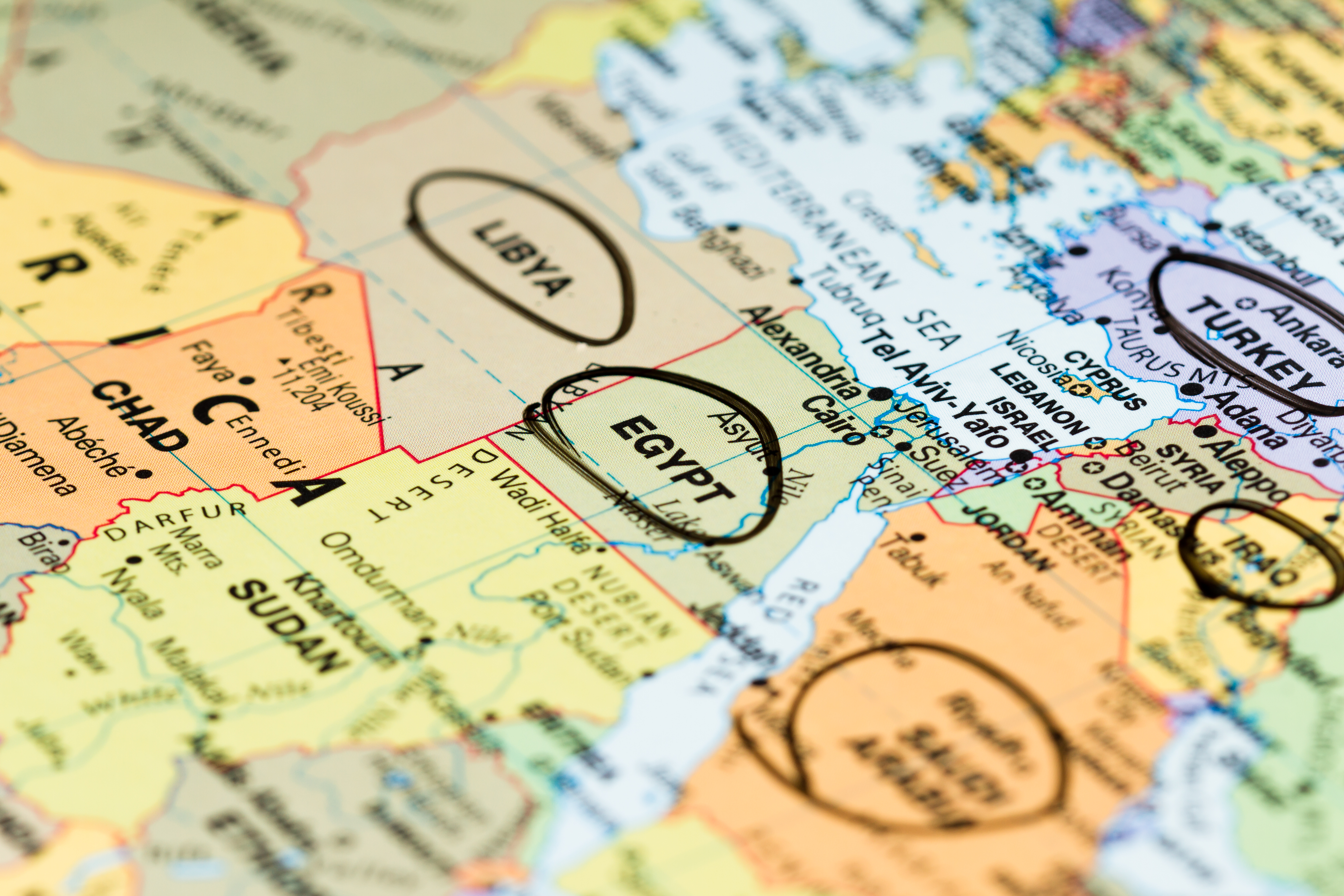
Chokepoint Logic: Why Hormuz Remains the World’s Only True Thermostat
Despite the rise of American shale and the green energy transition, the Strait of Hormuz remains the single most critical vulnerability in the global economy. Power here is measured in barrels and leverage, not just navies.
15 May 2026

The Levantine Void: Lebanon’s Final Descent into State Dissolution
Lebanon is no longer a state in crisis; it is a geographic theatre where the concept of the nation has been replaced by a fragmented security patchwork. Here is the structural reality of why the old Lebanon cannot return.
1 May 2026

The Yemen Mirror: Why Gulf Billions Failed to Buy Security
A decade of conflict has revealed a stark gap between military expenditure and strategic influence. As Riyadh pivots to diplomacy, the lessons of the Yemeni quagmire are reshaping the architecture of Middle Eastern power.
15 Apr 2026
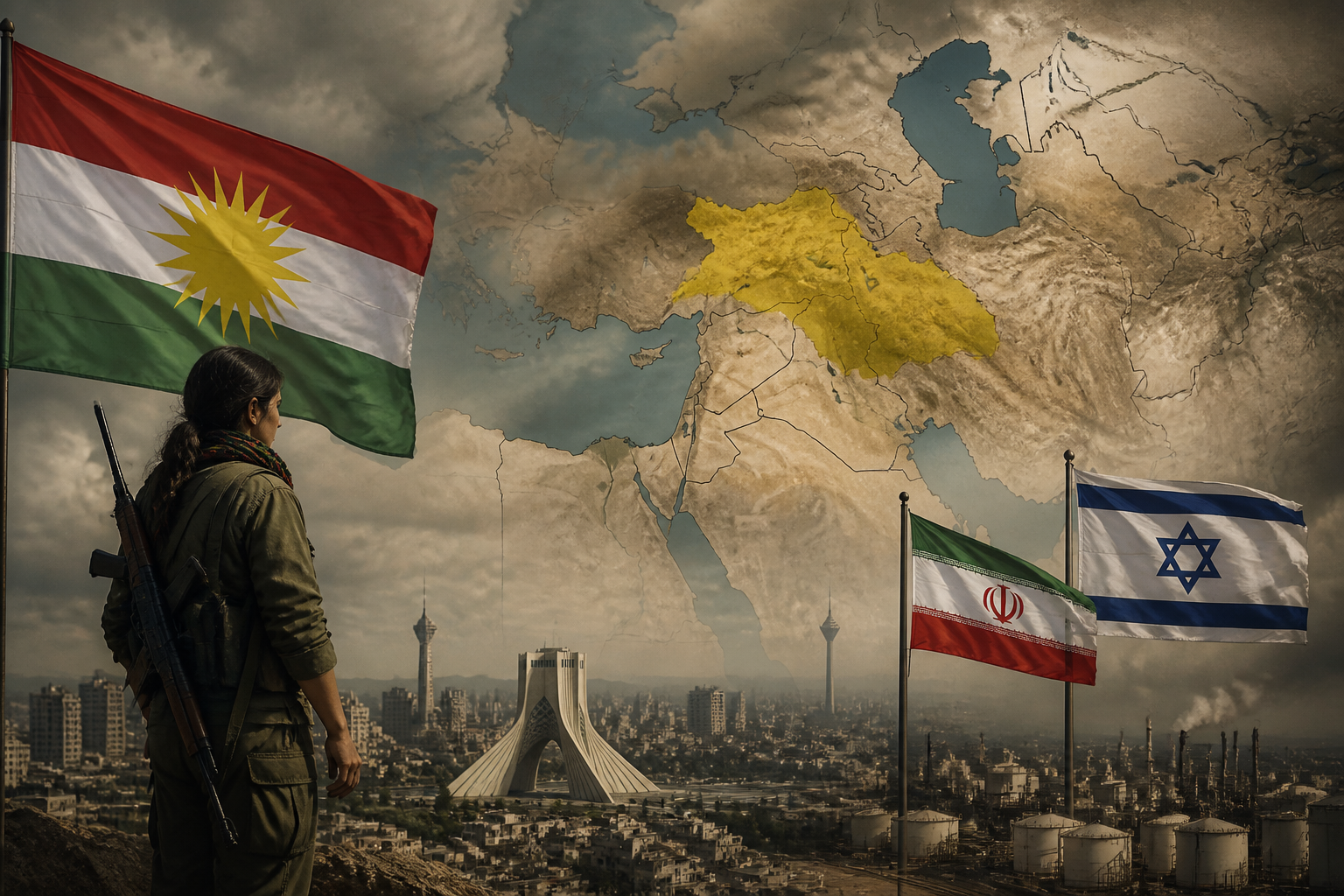
Stateless Sovereignty: Why the Kurdish Dream is Now a Buffer Weapon
As regional powers in the Middle East fragment, the Kurdish 'non-state' has evolved from a historical tragedy into a permanent geopolitical buffer. While formal independence remains a mirage, the Kurds have become the indispensable veto players in the Levant.
1 Apr 2026

The Pharaoh’s Gamble: Egypt’s Structural Trap and the New Nile Order
As Cairo’s debt-to-GDP ratio enters a terminal spiral, the Sisi administration faces a structural trilemma. Egypt must now navigate a thirsty domestic population, a belligerent upstream Ethiopia, and a regional credit market that is finally running dry.
1 Feb 2026

The Doha Equilibrium: Why Qatar is the Middle East's Indispensable Pivot
Qatar has parlayed massive LNG wealth into a unique role as the world's primary diplomatic switchboard. By hosting everyone from Hamas to the US military, Doha ensures its survival through strategic indispensability rather than hard power.
1 Dec 2025
The Damascus Rehabilitation: Why the Arab World Chose Stability
Bashar al-Assad is no longer a pariah. As the Middle East pivots from ideological confrontation to pragmatic regionalism, Syria’s reintegration marks the definitive end of the Arab Spring and the birth of a new, realist security architecture.
1 Aug 2025

The Dual Sovereignty: Iraq’s Survival as a Buffer State
Baghdad is no longer a prize to be won, but a neutralised zone where American dollars and Iranian influence must coexist. As Washington tightens financial taps, the Iraqi state faces a reckoning over its structural dependencies.
1 Apr 2025

Beyond the Barrel: The Structural Gamble of the New Gulf
As Saudi Arabia and its neighbours accelerate their shift toward post-hydrocarbon economies, the real struggle is not against climate change, but for internal stability and regional dominance in a fragmenting world.
1 Dec 2024
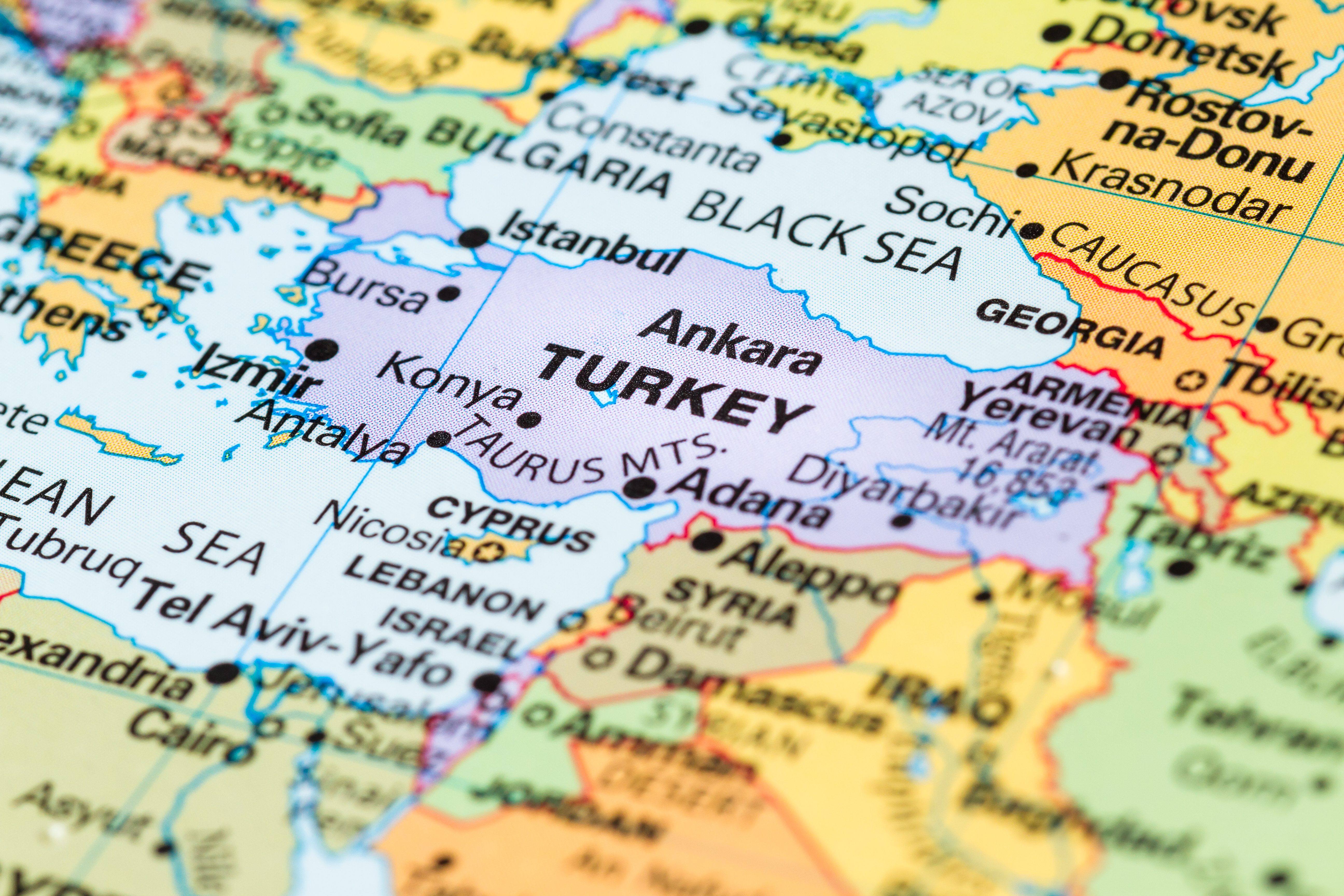
The Anadolu Corridor: Turkey’s Search for Strategic Autonomy
Ankara is systematically dismantling the post-Cold War security architecture. By leveraging low-cost drone technology and a non-aligned forward basing strategy, Turkey has transformed from a NATO flank state into an independent polar power in the Middle East.
1 Aug 2024

The Abraham Trap: Why Geography Reclaimed the Middle East
Israel’s strategy to bypass the Palestinian issue through regional integration hit a hard limit. The gamble that trade and technology could neutralise historical grievances has collapsed into a renewed struggle over geography and demographics.
1 Apr 2024

The Bab-el-Mandeb Trap: Decoupling the Suez from the Sea
The redirection of global shipping around the Cape of Good Hope is not a temporary detour. It is the beginning of a structural shift that exposes the fragility of the Suez-centric world order and shifts leverage toward regional disruptors.
1 Dec 2023

The Managed Truce: Why Riyadh and Tehran Chose Strategic Boredom
The Saudi-Iran rapprochement is not a peace treaty; it is a clinical risk-mitigation strategy. Riyadh is buying time for Vision 2030, while Tehran is offloading the cost of regional isolation to focus on domestic survival.
1 Aug 2023

The Invisible Balance: Why the Iran–Israel War Remains in the Shadows
Behind the escalation of strikes and sabotage lies a sophisticated architecture of restraint. Both Tehran and Jerusalem are choosing limited attrition over total victory to avoid a structural collapse they cannot afford to manage.
1 Apr 2023

The Glass Shield: Why Tehran and Tel Aviv Prefer the Shadows
The escalating shadow war between Iran and Israel is not a prelude to total war, but a sophisticated mechanism to avoid it. Both powers are using deniable strikes to manage domestic pressures whilst preserving a fragile regional equilibrium.
1 Apr 2023

The Invisible Threshold: Why Iran and Israel Prefer a Shadow War
While rhetoric suggests an inevitable clash, Tehran and Jerusalem are locked in a rational, symbiotic exchange of violence. Systematic escalation serves to prevent total war by defining the exact price of regional influence.
1 Apr 2023
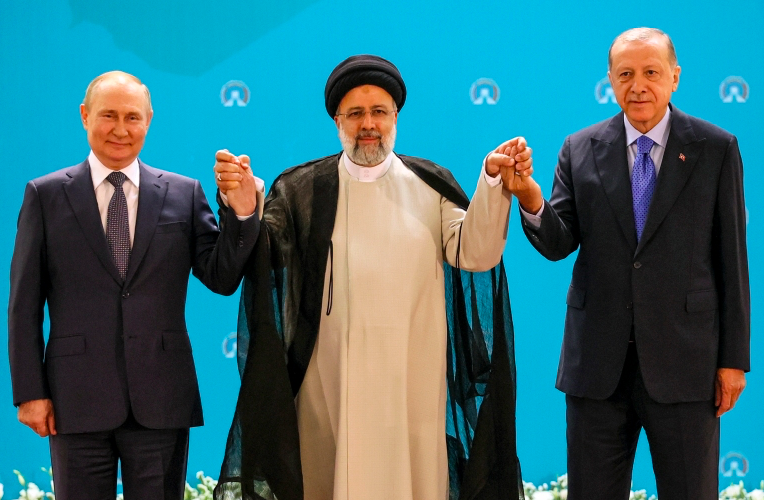
Did Iran and Russia convince Türkiye to halt its Syria operation?
21 Jul 2022

Why is Israel’s government about to collapse?
21 Jun 2022