
Intelligence
Geopolitics
82 reports in this category.
Transactional Neutrality: How Middle Powers Broke the Cold War Logic
The Global South has abandoned the pursuit of ideological blocks. By leveraging competition between Washington and Beijing for critical minerals and digital infrastructure, a new class of 'swing states' is securing unprecedented sovereign leverage.
1 Nov 2025

The Hollow Giants: Why Demographic Depth is the New Nuclear Deterrent
Conventional power metrics like GDP and military hardware are lagging indicators. In the 21st century, the true arbiter of sovereignty is the replacement rate, shifting the global tilt towards a new tier of demographically resilient powers.
1 Jul 2025
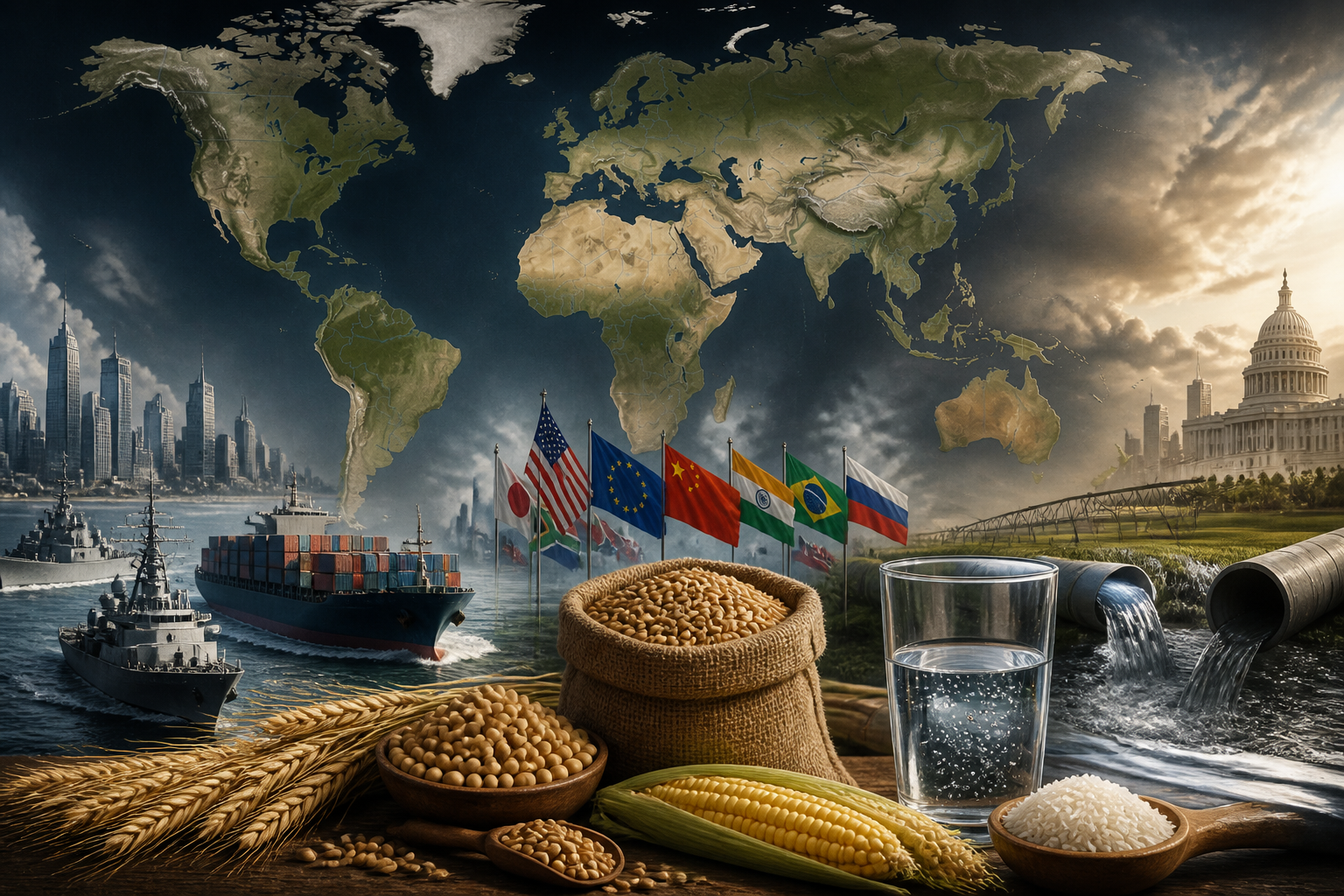
The Calorie Hegemon: Why Agriculture is the Ultimate Power Multiplier
While markets obsess over semiconductors and AI, the true substrate of superpower survival remains the control of caloric surpluses and freshwater basins. In an era of fractured trade, the ability to export stability is the ultimate leverage.
1 Mar 2025
The Silo Fracture: Mapping the Great Bloc Realignment of 2030
The next decade will not be defined by a single flashpoint, but by the systemic decoupling of the global supply chain into two incompatible fortresses. Power is shifting from global markets to regional security architectures.
1 Nov 2024

The Orbital Chokepoint: Why Space is the New Geography of Sovereignity
Forget the curiosity of exploration. Low Earth Orbit is becoming the decisive terrain for terrestrial survival. Space is no longer a vacuum of law, but a theatre where the next century of global dominance will be won or lost.
1 Jul 2024
The Silicon Bastion: Why AI is the Final Arbiter of Sovereignty
Artificial Intelligence is not an industry; it is the new operating system for hard power. As the era of the 'digital deterrent' begins, the gap between AI superpowers and vassal states is becoming permanent.
1 Mar 2024
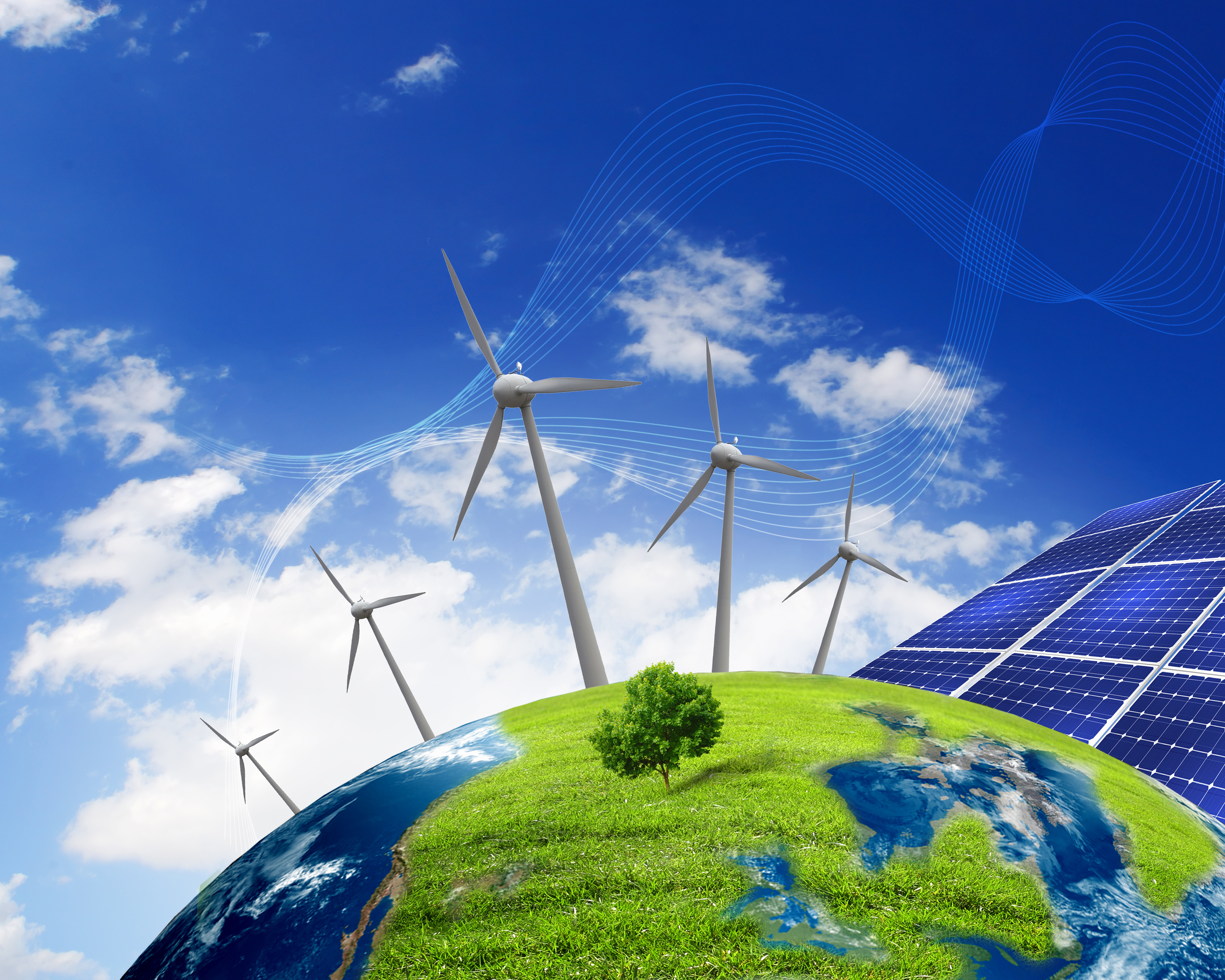
The Electron Empire: Why Renewables Centrally Consolidate Power
Geopolitics is shifting from a game of molecules to a game of minerals. While many predict a decentralised green future, the transition to electricity actually creates the most concentrated power structure in human history.
1 Nov 2023
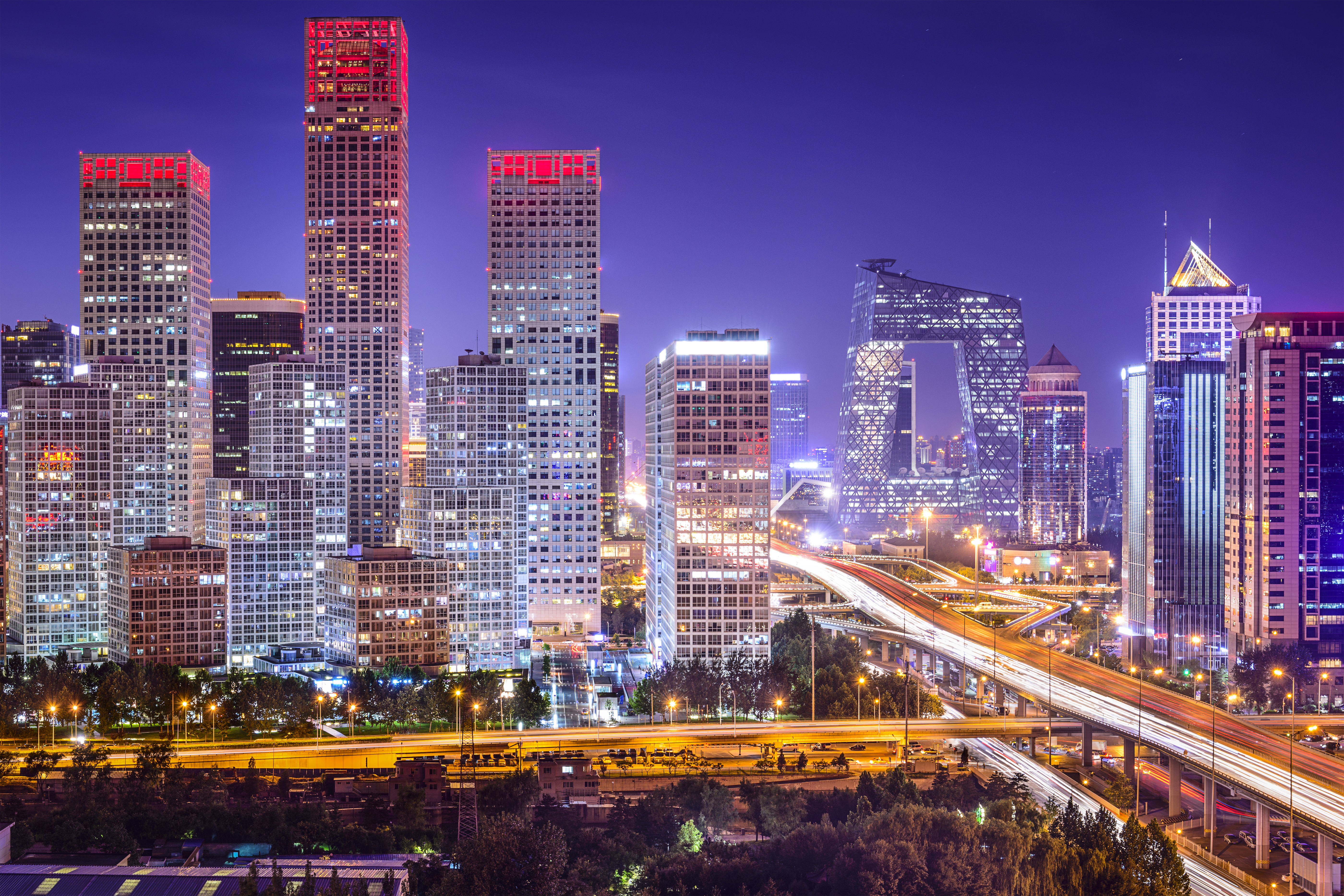
The Invisible Empire: Defining the 21st-Century Superpower
True hegemony in the modern era is no longer measured by territorial conquest or flag-planting. It is found in the silent control of global standards, financial plumbing, and the architecture of the digital world.
1 Jul 2023
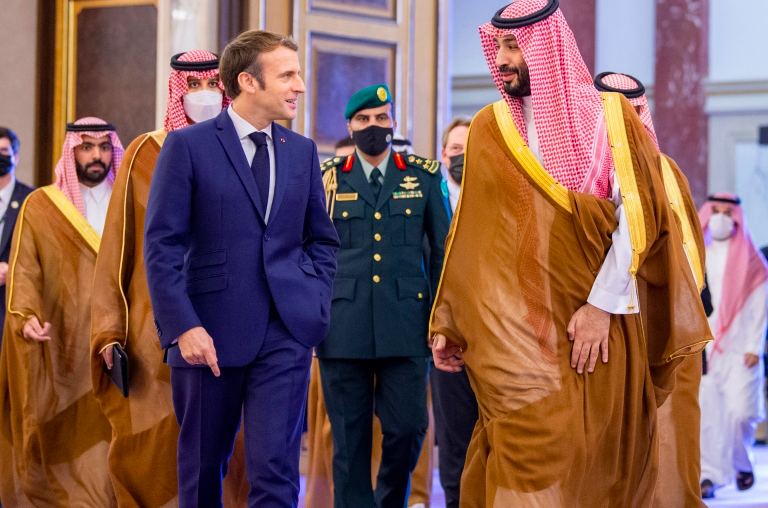
Will France succeed in replacing the US as the Gulf’s primary partner?
7 Dec 2021
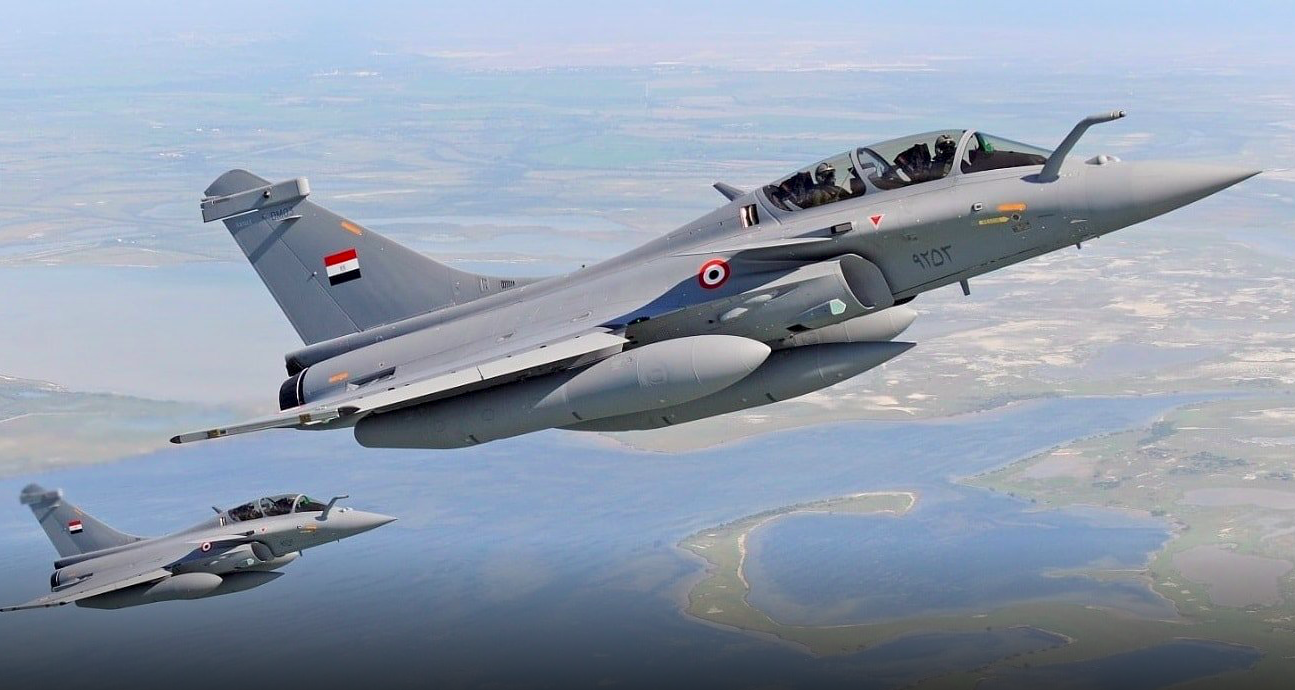
Is Egypt strengthening its air force to prepare for war with Ethiopia?
4 May 2021
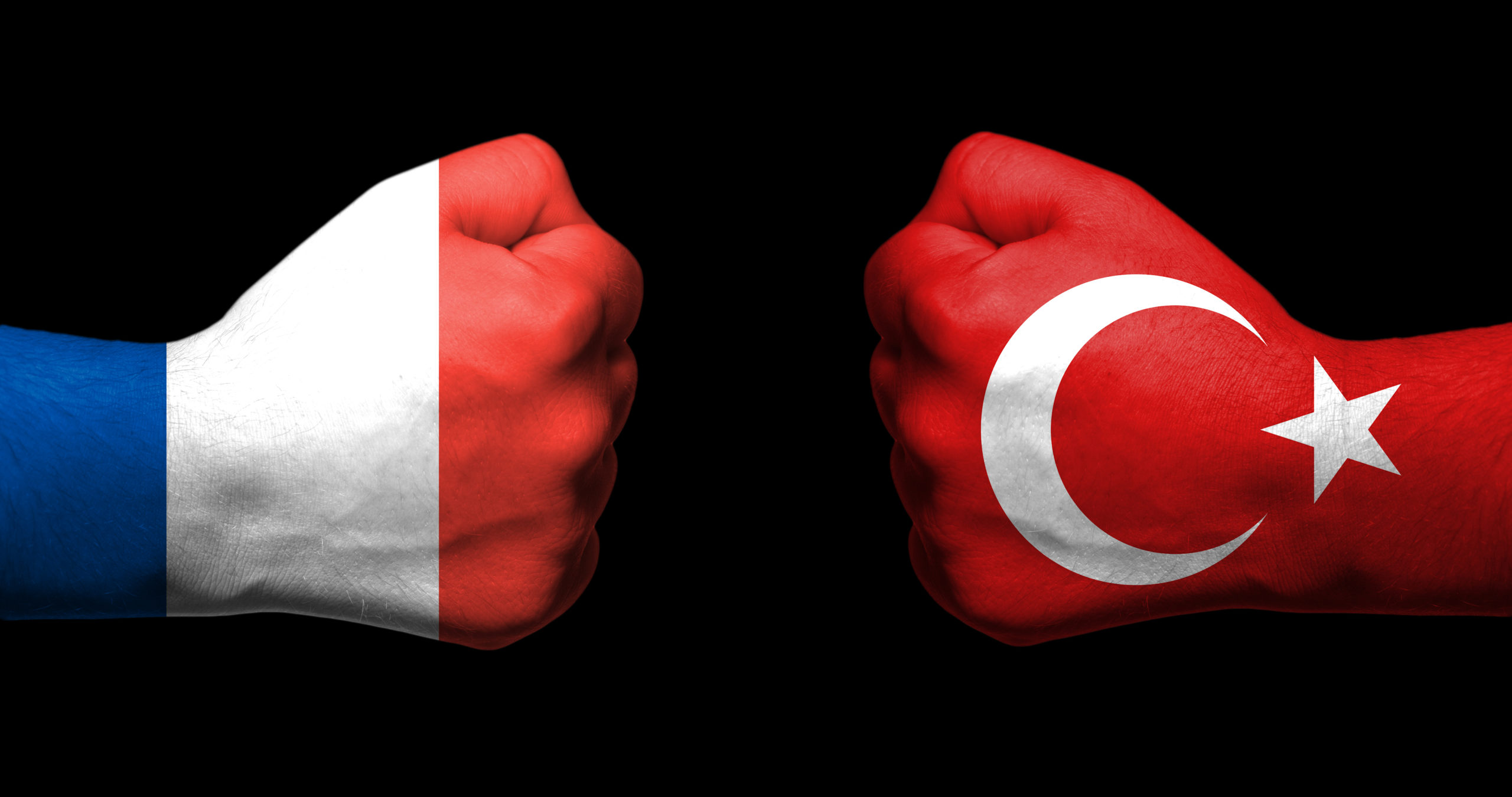
Can the rapidly deteriorating Turkey-France relations be saved?
France and Turkey trading blows Ever since the beginning of Turkey’s Military operation in Syria last month, relationship with France has deteriorated, as France reacted negatively and fiercely to the operation, while Turkey responded with insistence and jabs of equal magnitude. Most recently, French President Macron said in an interview three weeks ago there was a lack of strategic coordination between European allies on the one hand and the United States and Turkey, on the other. He has also decried NATO’s inability to react to what he called Turkey’s “crazy” offensive into northern Syria. The comments drew a stinging rebuke from Erdogan during a televised speech on Friday. “Have your own brain death checked. These statements are suitable only to people like you who are in a state of brain death,” Erdogan said. “You know how to show off but you cannot even properly pay for NATO. You are a novice,” he added. On Friday, French officials said they expected substantial clarifications from Erdogan rather than a war of words. “Let’s be clear, these are not statements, they are insults,” a presidential adviser said. “The president says things clearly. It’s up to Turkey to provide the answers that we and many allies expect.” Macron’s adviser said that beyond the issue of Turkey’s offensive in Syria, its refusal to back a NATO defence plan for the Baltic republics and Poland was unacceptable. “Turkey can’t take the defence plans of Poland and the Baltic countries hostage,” the adviser said. It seems relations have only gotten worse in recent weeks, which is a major problem for NATO, as it disrupts its unity and functionality as a whole. Subscribe to read the full article We wish we didn't have to do this, but only paid subscribers can read the full article, Unlike other publishers, we are not the beneficiaries of State funds and are entirely dependent on our supporters to keep KJ Vids functioning. Please subscribe to read the rest of the article. The First 1,000 subscribers will receive a 50% lifetime discount to our content. - Access over 500 videos explaining global politics - Full access to all articles - Vote on future video topics - Secure Questions for Video Q&As Sign Up - https://www.kjreports.com/product/lifetimediscount/
1 Dec 2019

Is power and resource competition a threat to Antarctica?
14 Nov 2019

Demystifying Russia’s Hybrid Warfare in Europe
27 Aug 2019
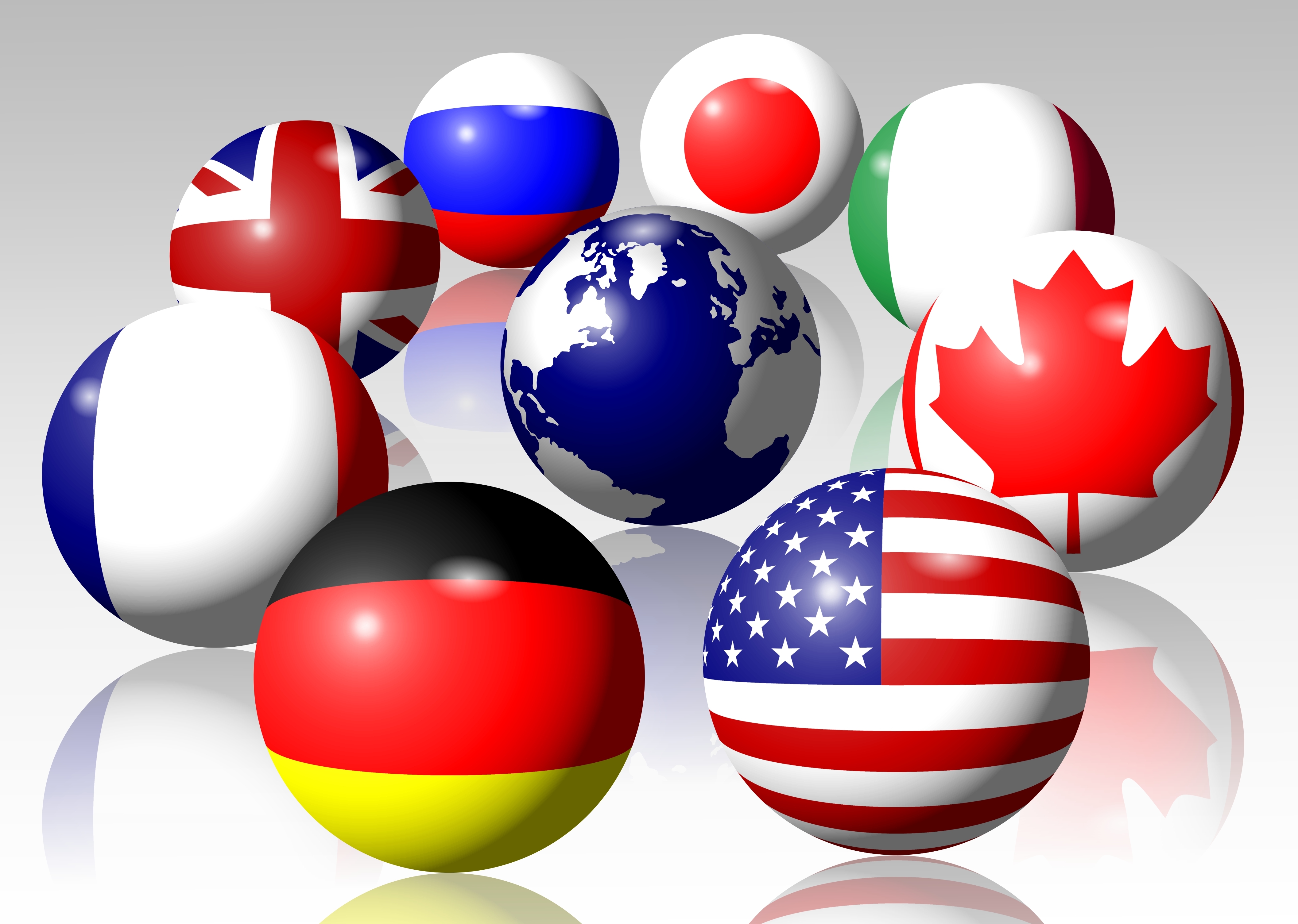
Russia and the G8: 5 Geopolitical Effects You Need to Know
1. Russian Concessions to the West The US President Donald Trump expressed his support for reinstating Russia into the G8. The Kremlin would certainly have to make some serious concessions in order to renew its membership in this inter-governmental political forum. French President Emmanuel Macron already said that Russia can't return to the G8 format before the Ukrainian crisis is resolved. In other words, Moscow will, most likely, have to end its support to the self-proclaimed Donetsk People's Republic and Lugansk People's Republic. Such move will be seen as an open betrayal of the pro-Russian forces in the Donbass. However, the Kremlin political technologists will undoubtedly try to portray it as another geopolitical victory. 2. Return of Crimea as a Condition Ukrainian President Volodymyr Zelensky, on the other hand, wrote on Facebook that Russia can return to the G8 if it returns Crimea to Ukraine, ends the conflict in the Donbass and releases 24 Ukrainian sailors who were captured at the end of the last year during the Kerch Strait accident. During the Macron-Putin meeting on Monday, French leader said a resolution of Russia's annexation of Crimea would be the "magic wand" to bring Russia back into the G7. Even though Russia was expelled from the old G8 format after it incorporated Crimea into the Russian Federation in March 2014, at this point it's unlikely that Moscow will be willing to discuss the future of the peninsula. Subscribe to unlock the other 3 Points We wish we didn't have to do this, but only paid subscribers can read the full article, Unlike other publishers, we are not the beneficiaries of State funds and are entirely dependent on our supporters to keep KJ Vids functioning. Please subscribe to read the rest of the article. The First 1,000 subscribers will receive a 50% lifetime discount to our content. - Access over 500 videos explaining global politics - Full access to all articles - Vote on future video topics - Secure Questions for Video Q&As Sign Up - https://www.kjreports.com/product/lifetimediscount/
22 Aug 2019
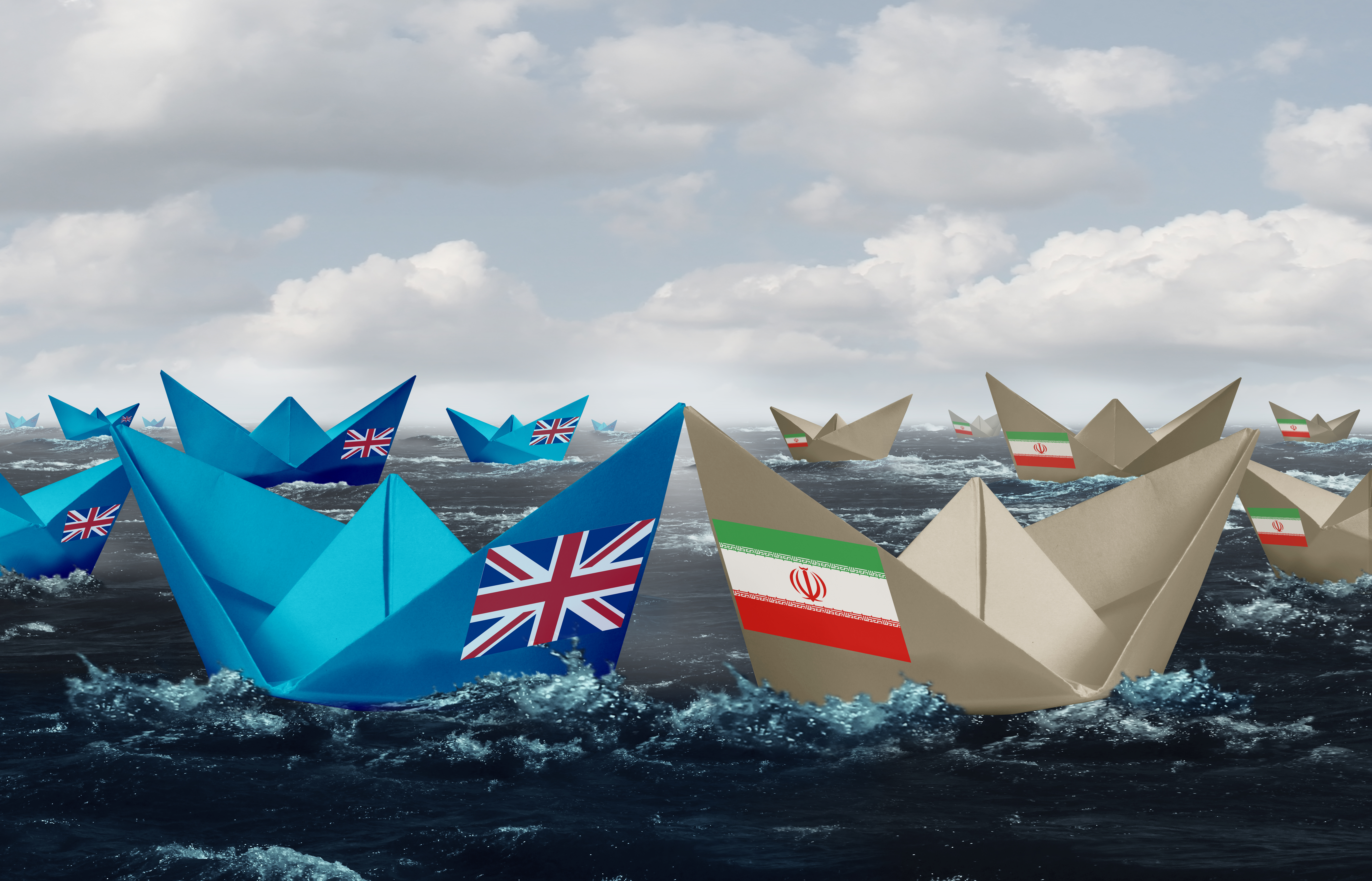
Iran-Britain Tanker Standoff: 5 Geopolitical Effects You Need to Know
1. Royal Navy set to guard British ships The Ministry of Defence has said that The Royal Navy will accompany British-flagged vessels through the Strait of Hormuz to defend freedom of navigation after Iran seized a tanker this month. The statement released stated: “The Royal Navy has been tasked to accompany British-flagged ships through the Strait of Hormuz, either individually or in groups, should sufficient notice be given of their passage,” a British government spokesman said. “Freedom of navigation is crucial for the global trading system and world economy and we will do all we can to defend it.” This is reportedly a temporary move before discussions about the development of an international maritime protection force in the Gulf between Europe and the US. It remains to be seen how Iran will respond but signals are not positive. 2. Iran warns against naval coalition As for the formation of a coalition between Europe and the US to protect shipping in the Gulf, Iran has clearly warned against such an action, saying the move would only bring more insecurity and higher tensions in the region. This comes after, Italy, Denmark, the Netherlands and France on Tuesday backed the UK’s proposal for a European naval force, reacting to the seizure of a British-flagged tanker in the Strait of Hormuz. The formation of a European coalition in the region could ensure the security of European and US trade ships, but will inevitably be a move that infuriates and spikes tensions with Iran. 3. Johnson expected to increase tensions with Iran Despite the warm welcoming words of Iranian foreign minister Javad Zarif upon the election of Boris Johnson as PM, congratulating him on his victory, Zarif also added that “Iran does not seek confrontation. But we have 1,500 miles of Persian Gulf coastline. These are our waters & we will protect them.” Johnson is expected by many to take a harder line on Iran than his predecessor and his recent comments have confirmed this. Johnson recently slammed UK opposition leader Jeremy Corbyn for appearing on Iranian state-owned TV and accused him of siding with regime hardliners rather than Britain’s allies over the Gulf crisis. This hostile approach seems to follow in Trump’s footsteps, an approach which has proven ineffective with Iran, only increasing the risk of conflict.
25 Jul 2019
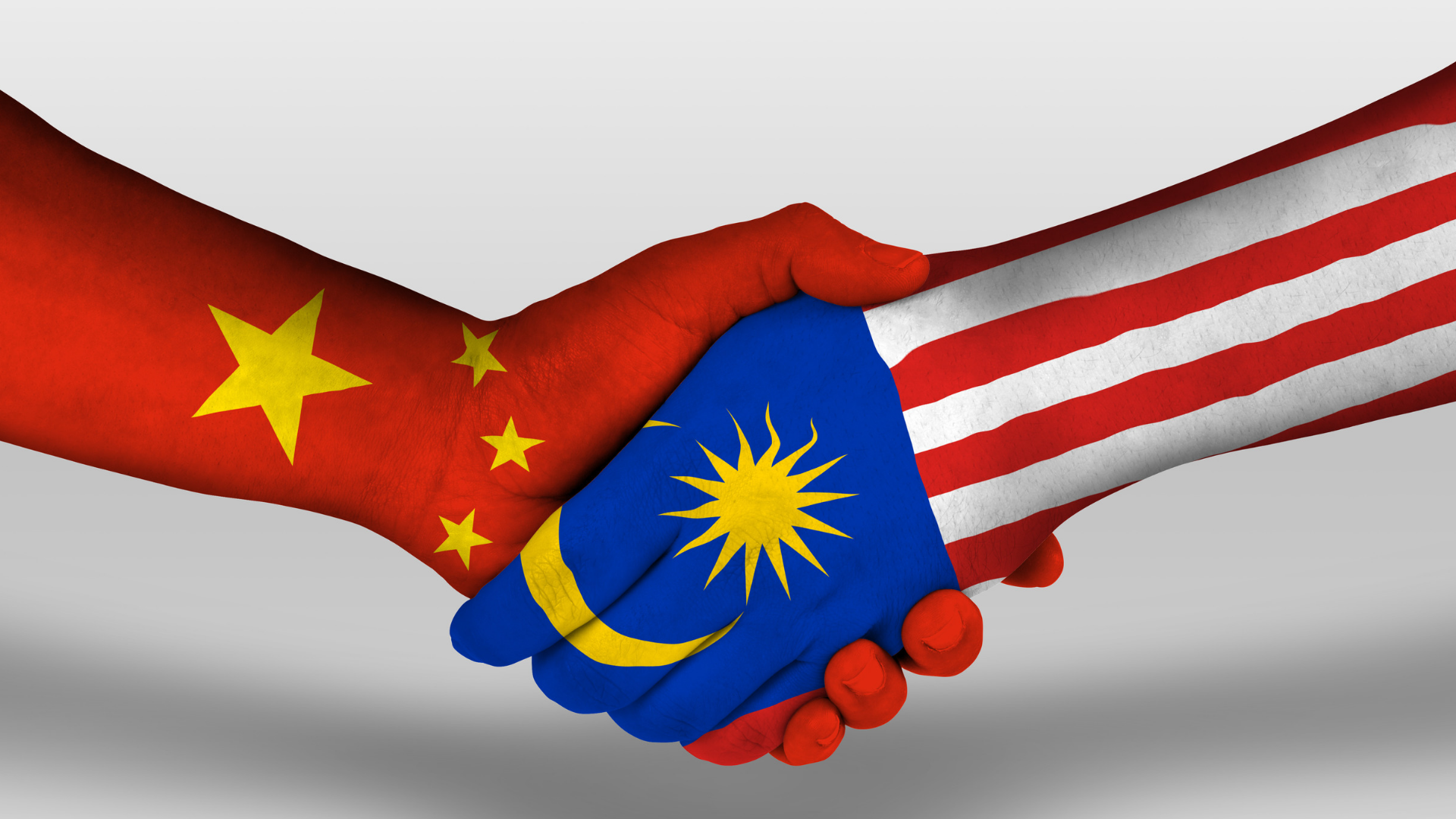
China’s Plans in Malaysia: 5 Geopolitical Effects You Need to Know
1. China-Malaysia joint construction of Belt and Road restarts After a year-long suspension, China and Malaysia have finally agreed to resume construction of the massive “Belt and Road” train project in northern Malaysia. The construction restarted after an agreement to cut its cost by nearly a third to about $11 billion. The project was initially cancelled by Malaysian Prime Minister Mahathir Mohamad due to “unfair” Chinese mega-projects approved by his predecessor, Najib Razak. China will fund 85% of production with the lead contractor of the project set to be China Communications Construction Co Ltd. This is a strong signal of China’s intentions of increasing its already large economic influence in Malaysia. 2. China Malaysia’s largest trade partner China remains Malaysia’s largest trade partner and continues to grow. from January to November 2018, Malaysia’s total trade rose 6.2 per cent as compared with the same period in 2017, contributed by 6.9 per cent growth in exports and a 5.3 per cent rise in imports. During the period, MalaysiaChina total trade expanded by 8.5 per cent, with an 11.3 per cent increase in exports and 6.3 per cent growth in imports. We can hence see Malaysia’s reliance on China from an economic standpoint, that makes China’s role in the Belt and Road construction, not very surprising. 3. Malaysia seizes money from China-owned bank According to Malaysian PM Mahathir Mohamad, Malaysia seized more than 1 billion ringgit ($243.5 million) from a bank account of state-owned China Petroleum Pipeline Engineering (CPP) over incomplete pipeline projects. Mohamad said: “I understand that money for 80% of the pipeline was paid, but the work completed was only 13%,” Mahathir told reporters. “So the government is entitled to get back the money since the project was cancelled.” This is a signal that despite China’s huge economic presence in Malaysia, the Malaysian government is not afraid to stand up for its economic rights. More on this will be discussed on point 5.
25 Jul 2019
Britain’s New PM: 5 Geopolitical Effects You Need to Know
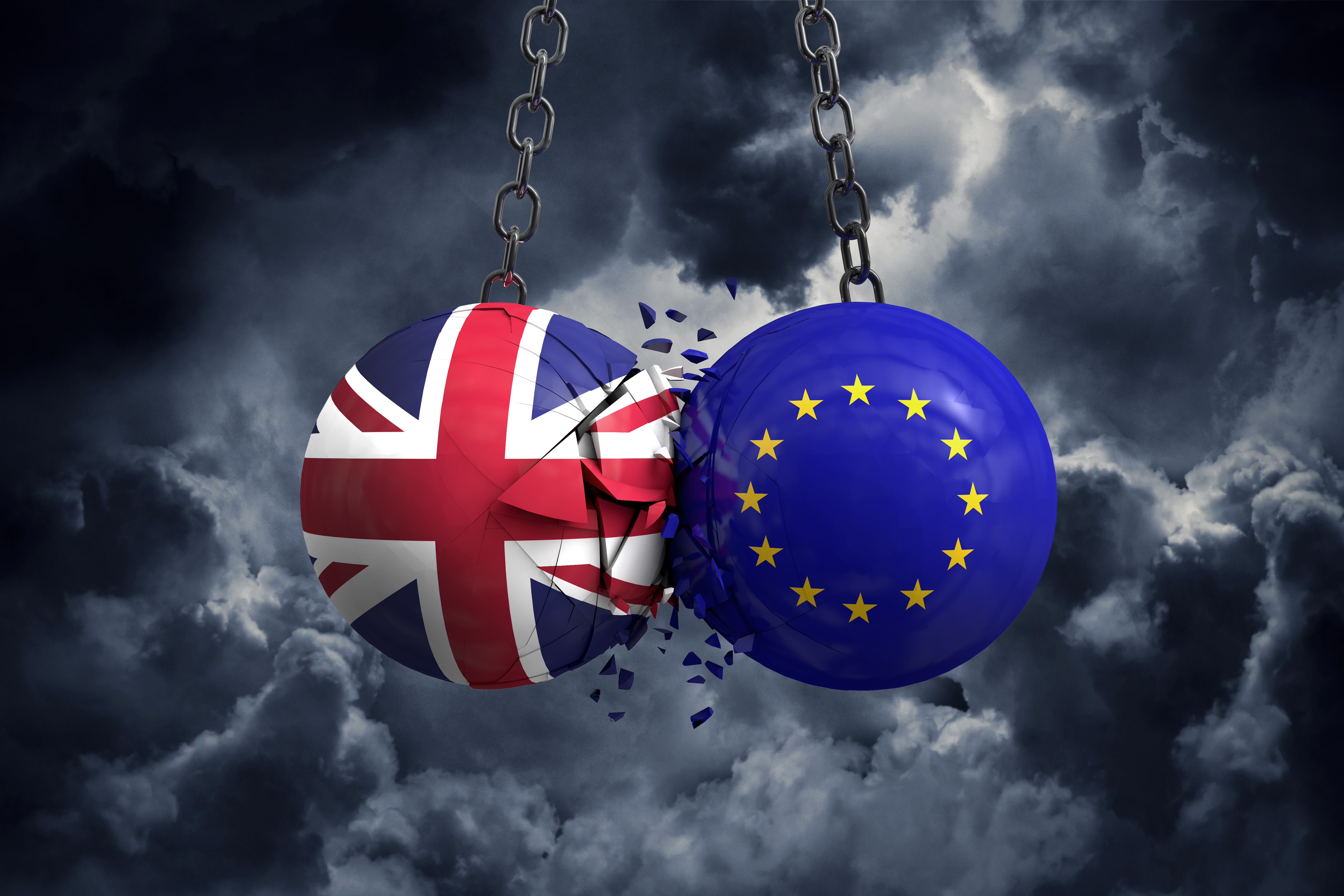
1. Rise of Populism Across Europe, Rightwing, populist and nationalist leaders have welcomed Boris Johnson’s imminent arrival in Downing Street. Matteo Salvini for instance, the deputy PM of Italy, wished Johnson all the best, and said “The fact that on the left they are painting him as ‘more dangerous than the League’ makes me like him even more.”, while the leader of the far-right party in Germany Alice Weidel also congratulated Johnson, saying “The EU grandees are getting the British prime minister they deserve.”. It is no secret that Johnson is viewed by many as a populist leader, with his election signalling the rise of populism in Europe has reached an unprecedented level. 2. Scotland moves away Scotland’s Conservative leader Ruth Davidson has openly voiced her dissatisfaction from the election of Johnson as new PM, saying that Johnson was not her choice, but said she would “judge his premiership by his actions in office”. Scottish First Minister Nicola Sturgeon also said she had “profound concerns about the prospect of his premiership”. This hostile atmosphere in Scotland towards Johnson’s election could lead to an acceleration of the breakaway of Scotland from the UK, as they have long wanted to do.
24 Jul 2019
Brexit and Britain’s Geopolitics
24 Mar 2019